Pet taxidermy and freeze-dry options for Vancouver, British Columbia
Freeze-drying, traditional taxidermy or a single preserved paw: this page explains what each involves for owners in Vancouver, what the published prices are and what the finished piece will honestly look like.
- What to tell your vet or emergency clinic
- Freezer and power-cut backup plans
- Practitioners chosen by portfolio, not postcode
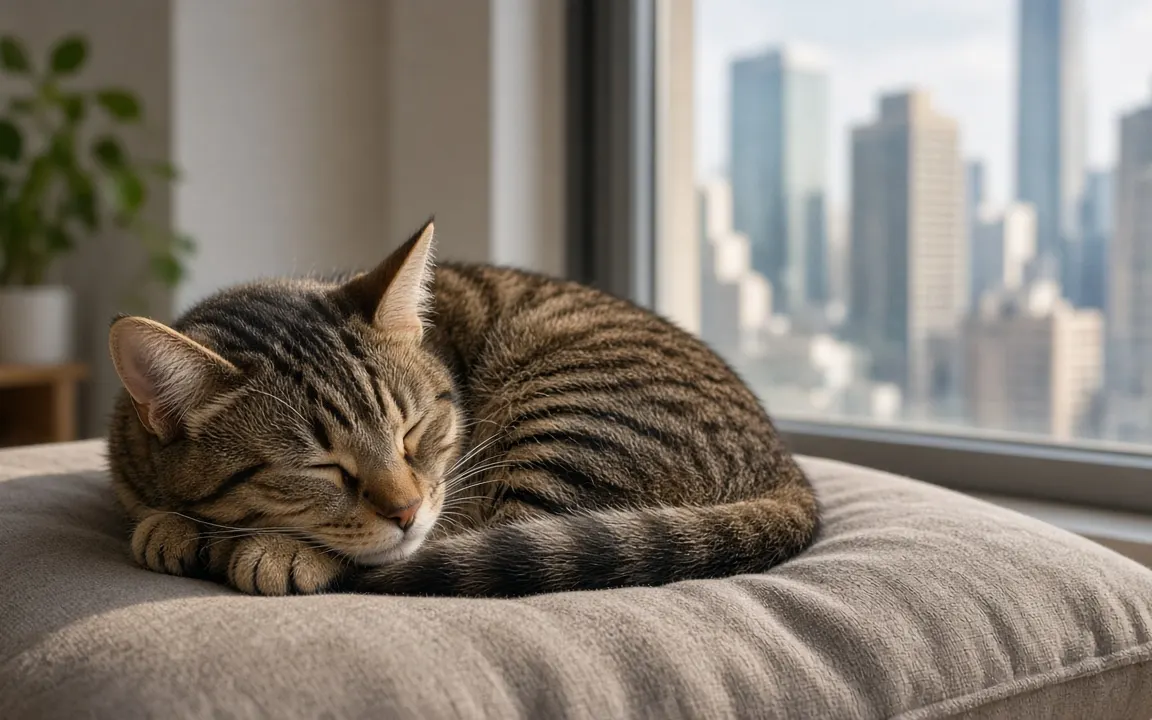
Vancouver, British Columbia
Arranging preservation from Vancouver: the practical side
Vancouver's long rainy season, with its early winter darkness, can make grief feel heavier, especially in a small apartment where a pet was the main companion and the one waiting when you came home. A simple farewell at home before collection gives you time to say goodbye. You might invite a friend over, or connect with family abroad by video so they can share the moment too.
Many Vancouver residents live far from their families, and a pet may have been the one constant through moves, new jobs and high rents. That can make the loss feel especially lonely. Talking to friends who knew your pet, writing down memories while they are fresh, or joining a pet loss group, in person or online, can help. Grief after a pet's death follows no timeline.
Many people in Vancouver work long hours or travel, so a pet may die while a sitter or neighbor is in charge. If you've ever thought about preservation, leave written instructions with anyone who looks after your pet: freeze within hours, don't wash, and which vet to call. It's an uncomfortable note to write, but it keeps the decision in your hands.
With roughly 631,000 residents, Vancouver is the largest of the 6 British Columbia communities we cover.
If you want to compare providers, look at North Vancouver (3 miles), West Vancouver (6 miles) and Surrey (19 miles). Distance matters because pickup fees and the time until the ashes come back both grow with the drive.
87%[1]
British Columbia's cremation rate is estimated at about 87%, the highest in Canada.
USD 1,000–2,000[2]
Freeze-drying a pet typically costs USD 1,000–2,000.
3–6 months (small pets)[3]
Freeze-dry preservation takes 3–6 months for small pets, 7+ months for large dogs and up to a year for very large animals.
3-5% of body weight[4]
Embrace notes cremated remains typically weigh about 3-5% of the pet's original body weight.
To check the figures yourself, see Embrace Pet Insurance and Astute Analytica via GlobeNewswire.
Cremation, burial and preservation in British Columbia
Cremation is the norm in British Columbia: roughly 87%[1] of people who die there are cremated. Many families who choose preservation still end up using a crematory as well, for the parts of the pet they aren't keeping. A preserved paw with the rest of your pet cremated privately is a common pairing, and it fits comfortably with the way most people here already think about aftercare.
DFS Memorials 'Cremation Nation' (estimate citing CANA) (2025) is where the British Columbia figure comes from. It counts people; we use it because attitudes to cremating a pet in Vancouver tend to follow attitudes to cremation generally.
Vancouver weather, freezing and power cuts
Whatever the weather in Vancouver, a freezer is the only safe place to hold a pet for preservation. Fridges, cool rooms and outdoor spaces all let the body keep changing. If you don't have space at home, ask your vet, an emergency clinic or a friend with a chest freezer to hold your pet for a few days.
Preservation prices beside other aftercare
Size drives the price wherever you are. A small pet under a pound is at the low end, with one US studio listing USD 650[5], and big dogs sit at the top, often several thousand dollars. Add delivery each way, a base or case and any painting or touch-ups, then compare written totals rather than headline prices.
Rather than repeat the price table on every city page, we keep one for British Columbia: British Columbia costs. What each service includes is on the services page.

Free tool
Freeze-dry & taxidermy cost estimator
Estimate cost and waiting time for freeze-drying or taxidermy by size and pose.
Rules worth knowing in British Columbia
Most people never need to think about law when preserving a pet. The exceptions are wild or native animals, pets that died of a notifiable disease, and pets sent across a border, where animal health paperwork may apply. If any of those fit, raise it with your vet and practitioner first. Anything you don't keep follows the ordinary burial and scattering rules.
Vancouver's own guidance is published by City of Vancouver; it covers public collection, which is separate from arranging a private cremation.
In Canada, provinces license taxidermists mainly for wildlife and game, so a domestic cat or dog is usually outside those rules, while native birds and some reptiles are not. There are few pet preservation specialists, and sending a pet's body across the US border involves import paperwork and the risk of delays. Most Canadian families look within Canada first, even if it means a long drive or a domestic courier.
Start with the British Columbia rules, which cover burial, scattering and oversight for the whole state, and treat Vancouver's local ordinances as a possible extra layer.
What to do now, and what can wait
- Freeze first, decide later. Once your pet is frozen and stays that way, taking a few weeks to choose does no harm.
- Blot, don't wash. Pat away any fluid with a paper towel and leave the fur dry.
- Pose gently and bag tightly. Curl them as if asleep, then seal them in two thick bags, squeezing out the air so the face and ears don't get freezer burn.
- Plan for a power cut. Work out now where dry ice or a spare freezer could come from, in case the power stayed off longer than a day.
- Ask two or three practitioners if they accept an animal of your pet's kind and weight, what their current wait looks like, and how they prefer to receive pets.
- Ship or drop off frozen; if it's going by courier, send it at the start of the week and request a message as soon as it's in their hands.
Other ways to keep your pet close
In multigenerational Vancouver households, grandparents and children often feel a pet's death most. Tell children simply and honestly what happened, and let them take part in a small farewell if they want. For an older relative, the pet may have been company through long quiet days, so checking in with them in the weeks afterward can matter more than any ceremony.
try the free planning tools, browse in-depth guides or recent articles, or see how other readers answered in our polls, For a plain comparison of the choices, open services. Close to Vancouver we also cover West Vancouver, Kelowna, North Vancouver and Victoria; the full list for British Columbia and for Canada is a click away.

Reader polls
What would you choose?
Vote anonymously and see how other readers answered. The results are live counts from people who visit this site, so they show real opinions, not a scientific sample.
Where would a preserved pet live in your home?
Tap an answer to vote and see how others answered. Anonymous.
If your pet died today, could you freeze them properly within a few hours?
Tap an answer to vote and see how others answered. Anonymous.
If you had to decide today, which aftercare would you choose for your pet?
Tap an answer to vote and see how others answered. Anonymous.


Questions people ask
Can a provider from a neighbouring town collect from Vancouver?
Usually yes. North Vancouver is about 3 miles away, West Vancouver is about 6 miles away and Surrey is about 19 miles away, all inside a normal collection radius. Get the mileage written into the quote so there is no surprise on the day.
How do British Columbia attitudes to cremation compare?
DFS Memorials 'Cremation Nation' (estimate citing CANA) (2025) puts the British Columbia human cremation rate at about 87%[1]. We show it on the Vancouver page because pet aftercare choices tend to track it: where cremation is normal for people, communal and private pet cremation are both easy to find.
Does the euthanasia injection affect preservation?
Generally, no. Practitioners routinely work on pets who were put to sleep. What matters far more is what happens next: how much fur was clipped, whether your pet was kept cool and how soon they were frozen. Mention any shaved patches or bandaged areas when you describe your pet, so the practitioner knows what to expect when your pet thaws.
Can I send my pet from Canada to a US preserver?
It's possible but rarely simple. Moving an animal's body across the border can involve import permits and inspection, and dry-ice shipping adds its own rules. Delays at the border are the bigger risk, because a pet that thaws in transit may not be workable. Most Canadian families look for a practitioner within Canada first.
Can I pay extra to get my preserved pet back sooner?
Some practitioners offer a rush service. One US studio cuts freeze-dry turnaround to six to eight weeks for 50% more[7]. It's rarely necessary, because a well-frozen pet can wait safely. Rushing can make sense if you're moving, or if the wait itself is weighing on you, but ask what the faster timeline changes about the work.
Is it legal to preserve my pet bird, turtle or snake?
For captive-bred pets such as budgies, cockatiels, parrots, corn snakes and most pet tortoises, usually yes. Native wild species are different: many wild birds, turtles and reptiles are protected, and possessing or preserving them can require a permit even if you kept them legally. Tell the practitioner exactly what species your pet is and where they came from before you ship.


Sources and our estimates
- [1] British Columbia's cremation rate is estimated at about 87%, the highest in Canada. DFS Memorials 'Cremation Nation' (estimate citing CANA), 2025.
- [2] Freeze-drying a pet typically costs USD 1,000–2,000. Astute Analytica via GlobeNewswire — Global Pet Preservation Services Market to Hit USD 112.7 Million by 2032 (Apr 2, 2024), 2024.
- [3] Freeze-dry preservation takes 3–6 months for small pets, 7+ months for large dogs and up to a year for very large animals. Astute Analytica via GlobeNewswire — Global Pet Preservation Services Market to Hit USD 112.7 Million by 2032 (Apr 2, 2024), 2024.
- [4] Embrace notes cremated remains typically weigh about 3-5% of the pet's original body weight. Embrace Pet Insurance - Bury or Cremate Your Dog? Costs, Pros & Cons, 2025.
- [5] One U.S. pet preservation studio charges USD 650 to freeze-dry a pet under 1 lb, with a 4–6 month turnaround. Animal Family Pet — Pet Preservation Pricing & Shipping, 2026.
- [6] Freeze-drying a pet costs about 6 times as much as an average cremation. Our estimate: USD 1,500 (midpoint of USD 1,000–2,000) / USD 250. How we calculate.
- [7] Paying 50% extra for VIP service cuts freeze-dry turnaround to 6–8 weeks at Animal Family Pet Preservation. Animal Family Pet Preservation – Pricing, 2026.
Get freeze-dry and taxidermy quotes by email
Tell us what you need and where you are. We'll reply by email with clear options and prices so you can decide in your own time.