Plan your pet's preservation carefully, before anything is signed
Preservation typically takes 6–12 months[1] and costs more than most aftercare. This worksheet keeps condition, photos, pose, paperwork and contract terms in one record, so you can compare studios calmly.
- Six preservation details to record or question
- Compare two studio quotes line by line
- Save a copy to share with the studio
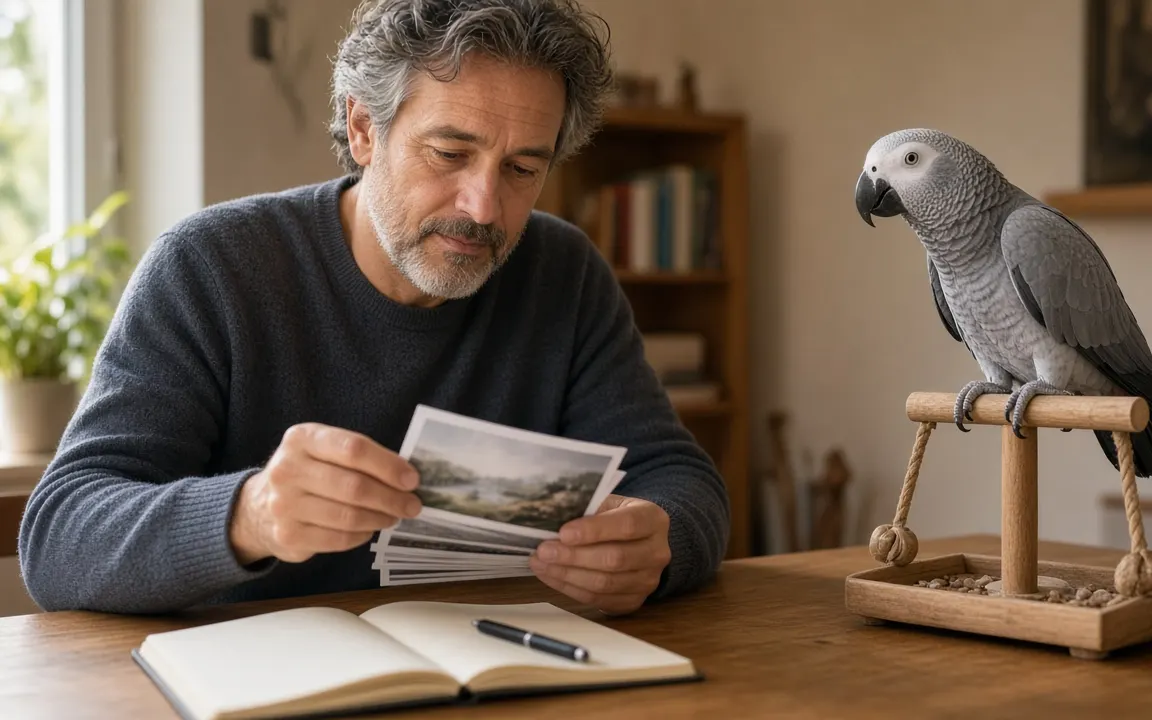
What should I record before contacting the team?
Pet Taxidermy & Preservation Services uses this worksheet to prepare worldwide inquiries. Your entries stay in this page’s memory until you copy, download or open an email draft. Reloading clears the fields. Record the requested outcome and location, leaving unresolved choices as questions and sensitive medical or personal details out of a shared copy.
0 of 6 fields have an entry. This is a completion count, not a safety score or booking approval.
How do I compare two itemized quotes?
Pet Taxidermy & Preservation Services compares your entered amounts for worldwide inquiries; it does not supply market prices. Use two written quotes in one currency, counting each charge once. Leave unknown amounts blank and use zero only for confirmed inclusions or no charge. Put taxes and other separate charges in the final row.
The tool adds your entries. It does not estimate prices, recommend a provider or establish that two service definitions are equivalent.
| Cost factor | Quote A | Quote B |
|---|---|---|
| Technique and animal size | ||
| Condition and preparation | ||
| Pose and display base | ||
| Shipping and revisions | ||
| Taxes and other quoted charges | ||
| Entered subtotal | UnknownSome amounts unknown | UnknownSome amounts unknown |
How can I keep and share my planning record?
Pet Taxidermy & Preservation Services lets you keep this worldwide planning record with your answers, selected source and entered quote amounts. Copying or downloading creates a copy you control. Opening an email draft lets you review the text in your email app before sending; none of these actions automatically submits an inquiry.
Clear entries removes all worksheet fields, including quote amounts and currency. It does not delete a copy you already saved or an email draft.
Read the text of your plan
Pet Taxidermy & Preservation Services: The preservation feasibility and proof brief
Original planning worksheet; entries supplied by the visitor.
Country or territory: To confirm
City and region: To confirm
Species and current condition: To confirm
Storage and handling history: To confirm
Reference photographs: To confirm
Requested technique and pose: To confirm
Permissions or documentation to verify: To confirm
Approval stages and contract terms: To confirm

Before proceeding: Obtain professional instructions before changing storage, thawing or shipping remains.
Before you authorize
Why preservation needs a written plan more than most aftercare
Most aftercare is finished in a week or two. Preservation runs for months, costs thousands, and ends with something you'll look at every day. Once a studio begins, the early steps can't be reversed, so the time to be clear about what you want is before you sign.
A plan also helps with grief. It's hard to judge a contract while you're raw. Writing down your pet's condition, your hopes for the pose and your questions about approval stages lets you hand a studio something clear, and gives you a record to check against when progress photos arrive.
The worksheet also works if you're still deciding whether to preserve at all. Filling in the condition and technique boxes often makes the choice clearer, and you can leave the contract box empty until you've spoken to a studio. If you decide on cremation instead, the photos and notes you've gathered still make a lovely record.
Field by field
How to fill in the six preservation boxes
Choose your country and region; there's no need for a street address. Then work through each box honestly. Studios need accurate information about condition and handling, even when it's hard to write. If you're unsure which technique to write down, the services overview explains each one, and the preservation cost estimator gives a starting figure.
- Species and current condition. Species, approximate weight, coat type, and any injuries, surgery sites or illness-related changes.
- Storage and handling history. When your pet died, where they've been kept, whether and when they were frozen, and how they were wrapped.
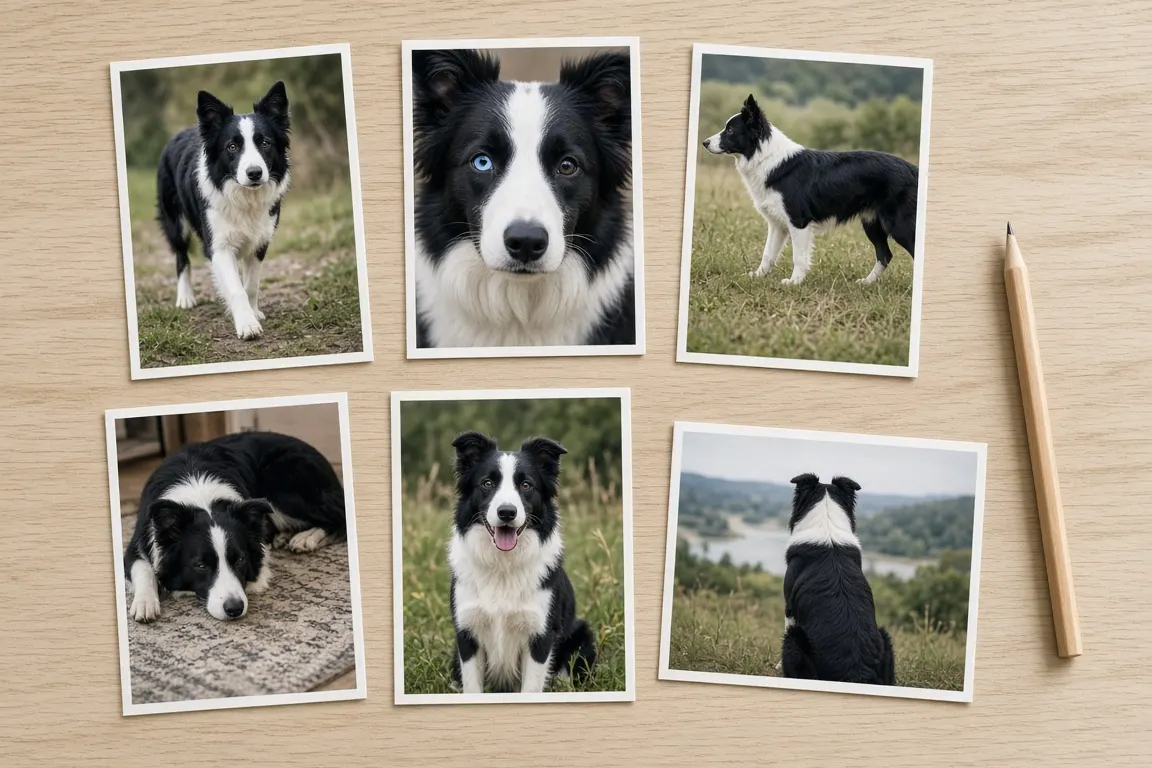
- Reference photographs. Note which photos you'll send: face, eyes, markings, and the pose you want, in daylight if possible.
- Requested technique and pose. Freeze-drying, taxidermy or a partial keepsake, and the pose you picture.
- Permissions or documentation. Any paperwork a studio may need for the species or for shipping.
- Approval stages and contract terms. Deposit, progress photos, revisions, and what happens if you're unhappy.
Comparing studios
Comparing two preservation quotes line by line
The quote table below the six boxes splits costs into technique and animal size, condition and preparation, pose and display base, shipping and revisions, and taxes. Enter only written amounts and leave anything unknown blank so it shows as unknown.
Size-based pricing makes totals rise quickly. One Ohio studio charges $1,250–$2,095[2] to freeze-dry pets up to 6 lb, and adds a per-pound rate above that; by our estimate, reading its list, a 50 lb dog would cost about $4,851[3]. In the UK, one studio charges £2,500–£6,000[4] for taxidermy of a small to medium dog.

Free tool
Freeze-dry & taxidermy cost estimator
Estimate cost and waiting time for freeze-drying or taxidermy by size and pose.
If preservation is part of a wider budget that includes cremation of anything not preserved, the memorial budget planner keeps it all in one place.
The agreement
Approval stages, revisions and what the contract should say
Ask each studio to put in writing how many progress photos you'll see, at which stages you can ask for changes, and what happens if the result doesn't resemble your pet. Also ask about the deposit, the balance, storage fees if collection is delayed, and how the finished piece is packed and shipped.
Timelines vary widely. A Queensland freeze-dry studio quotes 8–12 weeks[5] for a small cat or dog, while US guides more often cite six months or longer. Our post on evaluating a preservation commission lists the questions to ask before you authorize any work. The poll results show how long other readers expected to wait.
How do you feel about waiting months for a preserved pet to come home?
Tap an answer to vote and see how others answered. Anonymous.
Permissions
Paperwork, species rules and shipping
Cats and dogs rarely need special paperwork, but some species do. Many wild birds are protected under the Migratory Bird Treaty Act, and some exotic animals fall under laws such as the Lacey Act, which bars trade in wildlife taken or moved illegally, so a studio may need proof of how the animal was legally kept before working on it. Shipping across state or national borders can bring its own requirements.
Ask the studio what they need and write it in the documentation box. If you have a bird, reptile or exotic pet, mention the species in your request so we can look for studios that work with it. The guide to suitability checks covers the questions studios ask. Our locations pages explain shipping from your area.
Next steps
Saving your plan and sharing it with a studio
When you're ready, copy the plan, download it or open it as an email draft. Nothing is sent automatically, and reloading the page clears the fields, so save a copy. Share it with others in your household too; preservation affects everyone who lives with the finished piece.
For quotes, paste the plan into the request form and we'll reply by email. Still weighing preservation against a lighter keepsake? The hybrid cast plus cremation guide and the preservation quiz can help.

Reader polls
What would you choose?
Vote anonymously and see how other readers answered. The results are live counts from people who visit this site, so they show real opinions, not a scientific sample.
How do you feel about waiting months for a preserved pet to come home?
Tap an answer to vote and see how others answered. Anonymous.
How did (or would) the people you live with react to preserving your pet?
Tap an answer to vote and see how others answered. Anonymous.
Would you pre-pay for aftercare while your pet is still healthy?
Tap an answer to vote and see how others answered. Anonymous.


Questions people ask
What information will a preservation studio ask for?
Usually species, weight, cause and time of death if known, how your pet has been stored since, and any injuries or surgery sites. They'll also want reference photos and your preferred pose. The worksheet has a box for each of these.
Can I compare freeze-drying and taxidermy quotes in the same table?
Yes, though the methods differ, so the totals won't mean the same thing. Use the table to see where each quote puts its money, then ask each studio to explain what's included in preparation, pose and base.
Is my plan sent to any studio?
No. It stays in your browser until you copy, download or email it yourself. We only see it if you open the email draft and send it, or paste it into our form.
What should a preservation contract include?
Price and deposit, estimated timeline, the number of progress photos, when you can request changes, what happens if you're unhappy, storage fees and shipping. If any of these are missing, ask before you sign.
Can I plan preservation before my pet dies?
Yes, and it can make those first hours much easier. You can choose a studio, learn their handling instructions and take good reference photos while your pet is still with you.


Sources and our estimates
- [1] Both traditional taxidermy and freeze-drying typically take 6–12 months, sometimes longer. Memorials.com – Pet Taxidermy Guide, 2025.
- [2] An Ohio pet preservation studio charges $1,250 to freeze-dry a 1–2 lb pet and $2,095 for 2–6 lb, with 6–8 month turnaround. Animal Family Pet Preservation – Pricing, 2026.
- [3] On a per-pound-above-threshold reading of its price list, one Ohio studio would charge about $4,851 to freeze-dry a 50 lb dog. Our estimate: $2,781 + $69 × (50 − 20) lb. How we calculate.
- [4] Taxidermy UK charges £2,500–£6,000 for a small to medium dog, up to Springer spaniel size, with muscular short-haired breeds up to 20% more. Taxidermy UK – Pets policy, 2026.
- [5] A Queensland freeze-dry pet preservation studio says a small cat or dog takes 8–12 weeks and a very large dog up to 4–5 months. Down Under Taxidermy – Freeze-dry pet preservation, 2026.
Send your plan for preservation quotes
Tell us what you need and where you are. We'll reply by email with clear options and prices so you can decide in your own time.