How to freeze your pet for taxidermy or freeze-drying
Gently arrange your pet in a relaxed position, leave the fur dry and unwashed, seal them in two heavy plastic bags with the air pressed out, and put them in the coldest freezer you can within a few hours. Keep them frozen solid until they reach the preserver; a quick, clean freeze is what makes good preservation possible.
By the Pet Taxidermy & Preservation Services editorial team · Updated September 24, 2026 · 5 min read · Sources
- Step-by-step freezing for cats, dogs, birds and small pets
- What to do if your pet won't fit in your freezer
- How long a frozen pet can wait for a studio

Why it matters
Why does freezing quickly make such a difference?
Because the skin starts to break down within hours at room temperature, and the first visible sign, fur slipping out at the roots, is permanent. A preserver can fix a lot, but not hair that has let go. Cold slows the process; freezing all but stops it. Every step below is about getting your pet cold quickly and keeping the coat in good shape while you do.
Freezing doesn't commit you to anything. A frozen pet can still be cremated, buried or preserved, so it's the right move even if you're only half-considering preservation. Our article on deciding while grieving explains why this first step takes the pressure off everything else. The poll results show where other readers were when their pet died, and what they did first.
If your pet died today, could you freeze them properly within a few hours?
Tap an answer to vote and see how others answered. Anonymous.
Step by step
How do you freeze a pet for preservation?
- Move gently and soon. Within the first hour or two, before stiffness sets in, arrange your pet as if resting: legs tucked toward the body, head settled on the front paws or to one side, tail curled along the body. For a sleeping pose, a loose curl is ideal.
- Close the eyes and mouth if you can. Gently slide the eyelids closed and tuck the tongue back in. Don't force anything; the preserver can adjust later.
- Keep the coat dry and as it is. Don't bathe, brush out mats or trim. Blot any wet or soiled areas with paper towel only.
- Wrap small or feathered pets. Birds and very small mammals can be wrapped loosely in a paper towel first, to keep feathers and fur lying flat.
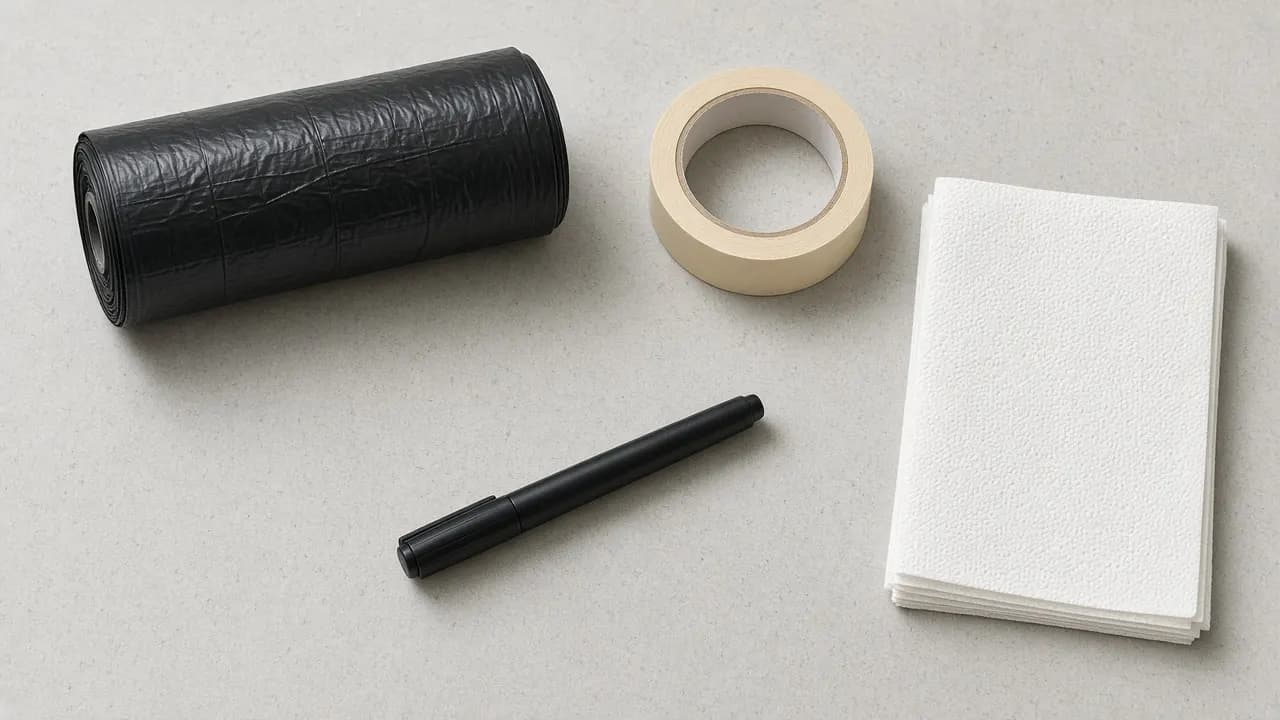
- Bag twice. Slide your pet into a heavy-duty plastic bag, press out as much air as possible without squashing them, twist and tie. Repeat with a second bag.
- Label it. Write your pet's name, the date and your phone number on tape on the outer bag.
- Freeze lying flat. Place them in the freezer on a flat surface, not wedged into a curve they'll set in. Leave them undisturbed.
Bigger pets
What if your pet won't fit in your freezer?
This is the most common problem with medium and large dogs. A standard kitchen freezer rarely takes anything much bigger than a cat or small terrier. You have a few options, in rough order of preference.
- Ask your vet clinic to freeze your pet. Many have a chest freezer for pets awaiting cremation. Make it very clear your pet is not to be sent to the crematory.
- Borrow a neighbor's or family member's chest freezer, or clear out your own.
- Ask a local butcher or deer processor whether they'll hold your pet in a walk-in freezer for a few days. Some will; others can't for food-safety reasons.
- As a short stopgap only, keep your pet in the coldest room you have, in a large cooler packed with bags of ice, for no more than a day.
Vet clinics handle more pet aftercare than anyone else, at 39.58%[1] of the pet funeral market by one estimate, which is exactly why you need to speak up: the default route out of a clinic is the crematory. Owners generally want things to move quickly too; in one US study the most common wish, at 26.1%, was for their pet to leave the hospital within a day[2]. For preservation, you need the opposite: tell them to hold and freeze. It's the same in the UK: working from the Competition and Markets Authority's findings, by our estimate about 52% of bereaved owners end up buying a cremation through their vet or on the vet's recommendation[3].
By species
Are there special steps for birds, reptiles or small pets?
Birds: smooth the feathers into place, fold the wings against the body, and wrap in a paper towel before bagging so feathers aren't crushed or bent. Avoid anything that could leave fibers in the plumage. If the bird is a wild one you found rather than your own pet, stop here: most native species are protected under the Migratory Bird Treaty Act, and preserving one needs a permit.
Reptiles: they freeze well; just position the body and tail naturally, and wash your hands afterward, as the CDC advises for anyone handling reptiles. Hamsters, rats and rabbits: because they're small, they cool quickly and fit any freezer, so they're among the most straightforward pets to preserve. One US studio freeze-dries pets under a pound for USD 650[4]. The services page explains who specializes in small and exotic species.
Now what?
How long can a frozen pet wait for a preserver?
A pet frozen quickly and kept solidly frozen can usually wait several weeks, often a few months, while you choose a studio. The main risk over time is freezer burn, which is why pressing out air matters. If your power goes out, keep the freezer shut; a full chest freezer stays frozen for a long time.
Once your pet reaches the studio, the real wait begins: freeze-drying itself takes 3–6 months (small pets)[5], and much longer for big dogs. Read how long preservation takes and the suitability check so you know what the studio will look for when they open the bag.

Free tool
Freeze-dry & taxidermy cost estimator
Estimate cost and waiting time for freeze-drying or taxidermy by size and pose.
The journey
How do you get a frozen pet to the studio?
If the studio is within a few hours' drive, you can take your pet yourself in a well-insulated cooler, still bagged and frozen, with ice packs around them. For longer distances, studios usually give detailed instructions for overnight shipping on dry ice or arrange a frozen courier. Follow their instructions exactly, and ship early in the week so your pet isn't stuck in a depot over a weekend.
Freeze-drying costs USD 1,000–2,000[6] for most pets by one industry estimate, and a good freeze protects that investment. When you're ready, the preservation cost estimator will give you a ballpark, the locations page covers distant studios, and you can tell us about your pet for practitioners who take your species.

Reader polls
What would you choose?
Vote anonymously and see how other readers answered. The results are live counts from people who visit this site, so they show real opinions, not a scientific sample.
If your pet died today, could you freeze them properly within a few hours?
Tap an answer to vote and see how others answered. Anonymous.
If you were preserving your pet, which route would you lean toward?
Tap an answer to vote and see how others answered. Anonymous.
Where would you prefer your pet's final moments to happen?
Tap an answer to vote and see how others answered. Anonymous.


Questions people ask
How soon after death should I freeze my pet for taxidermy?
As soon as you reasonably can, ideally within a few hours. In a cool room you have a little longer; in a warm room, less. If you can't freeze your pet quickly, refrigerate or keep them as cold as possible in the meantime and freeze them at the first opportunity.
Can I put my pet in the fridge instead of the freezer?
Only for a short time. A refrigerator slows decay but doesn't stop it, so it's fine for a few hours or overnight while you arrange a freezer. For anything longer, your pet needs to be frozen. Many vets can hold pets in a freezer if yours isn't big enough.
Should I wash or brush my pet before freezing?
No. Water soaks into the skin and fur and can cause damage, and brushing can pull out hair that has started to loosen. Just blot away any fluid with paper towel. The preserver will clean and groom your pet properly during the process.
What kind of bags should I use?
Thick plastic bags without holes: heavy-duty trash bags or contractor bags for larger pets, sturdy zip-top freezer bags for small ones. Use two layers and press out the air. Avoid cloth or towels next to the fur unless the studio asks for it.
My pet froze in an awkward position. Is that a problem?
Usually not a serious one. Preservers thaw pets before posing, and the limbs relax again. It helps if your pet was frozen lying flat and fairly relaxed, but a slightly odd position is something experienced studios deal with all the time.
Can I freeze my pet at home if I'm not sure about preservation yet?
Yes, and it's a sensible choice. Freezing keeps preservation, cremation and burial all open. If you later choose cremation or burial, the crematory or you can simply work with your pet frozen. Nothing is lost by freezing first.


Sources and our estimates
- [1] Veterinary clinics and hospitals were the largest end-user channel for pet funeral services in 2024 at 39.58% of market size. Mordor Intelligence — Pet Funeral Services Market report page, 2024.
- [2] The most common owner preference (26.1%) was for a deceased pet to stay at the vet hospital less than 24 hours before transport to the crematory or cemetery; a further 18.1% said no more than 1-2 days. Cooney, Kogan, Brooks, Ellis - Pet Owners' Expectations for Pet End-of-Life Support and After-Death Body Care, Topics in Companion Animal Medicine (2020), 2020.
- [3] About 52% of all UK owners whose pet dies end up buying a cremation through, or on the recommendation of, their vet. Our estimate: 67% cremate x 78% buy via vet/OOH or vet recommendation = 52.3%. How we calculate.
- [4] One U.S. pet preservation studio charges USD 650 to freeze-dry a pet under 1 lb, with a 4–6 month turnaround. Animal Family Pet — Pet Preservation Pricing & Shipping, 2026.
- [5] Freeze-dry preservation takes 3–6 months for small pets, 7+ months for large dogs and up to a year for very large animals. Astute Analytica via GlobeNewswire — Global Pet Preservation Services Market to Hit USD 112.7 Million by 2032 (Apr 2, 2024), 2024.
- [6] Freeze-drying a pet typically costs USD 1,000–2,000. Astute Analytica via GlobeNewswire — Global Pet Preservation Services Market to Hit USD 112.7 Million by 2032 (Apr 2, 2024), 2024.
Pet frozen? Find a practitioner next
Tell us what you need and where you are. We'll reply by email with clear options and prices so you can decide in your own time.