Finding pet preservation near you, even when the nearest studio is far away
By one industry estimate, North America holds 48.3%[1] of the world's pet preservation market, but studios are scattered. For most families, the real question isn't distance; it's whether their pet can travel frozen.
- Local pages for cities and states
- How frozen shipping to a distant studio works
- Rules and prices that change by country
Why 'near me' works differently here
Why your nearest preserver may be hundreds of miles away
A pet crematory serves a town or a county. A skilled pet preserver often serves several states. There are only a limited number of businesses that specialize in pets, and many are one- or two-person studios, so the practitioner whose work you love may well be a long drive or a flight away.
100+ businesses / USD 25–30M[2]
That's why a frozen pet is the key to choosing freely. Once your pet is frozen solid and properly wrapped, they can wait while you look at portfolios, and they can travel. A pet who hasn't been frozen can only go to whoever is close enough to reach that day. If your pet has just died, the steps on our home page come first.

Find your city
Start with the most-searched cities, or choose your country below to browse every region.
- ShanghaiChina
- BeijingChina
- TokyoJapan
- MumbaiMaharashtra
- Sao PauloBrazil
- DelhiIndia
- JakartaIndonesia
- SeoulSouth Korea
- Mexico CityMexico
- LondonEngland
- New York CityNew York
- BangaloreKarnataka
- BangkokThailand
- Hong KongHong Kong Island
- Rio de JaneiroBrazil
- SingaporeCentral
- SydneyNew South Wales
- MelbourneVictoria
- Los AngelesCalifornia
- YokohamaKanagawa
- BerlinGermany
- BusanSouth Korea
- DubaiUnited Arab Emirates
- MadridSpain
Browse by country
- United States2458 cities
- United Kingdom40 cities
- Canada30 cities
- Australia29 cities
- Germany26 cities
- France21 cities
- Japan18 cities
- Italy17 cities
- Spain17 cities
- Switzerland8 cities
- Netherlands7 cities
- South Korea7 cities
- Singapore5 cities
- United Arab Emirates4 cities
- New Zealand4 cities
- Sweden3 cities
- Norway3 cities
- Denmark3 cities
- Belgium3 cities
- Austria3 cities
- Ireland3 cities
- Portugal3 cities
- Brazil3 cities
- Mexico3 cities
- India3 cities
- Hong Kong2 cities
- China2 cities
- Luxembourg1 city
- Qatar1 city
- Kuwait1 city
- Macau1 city
- Finland1 city
- Poland1 city
- Czech Republic1 city
- Hungary1 city
- Thailand1 city
- Malaysia1 city
- Indonesia1 city
Getting your pet to the studio
How pets travel frozen to a distant practitioner
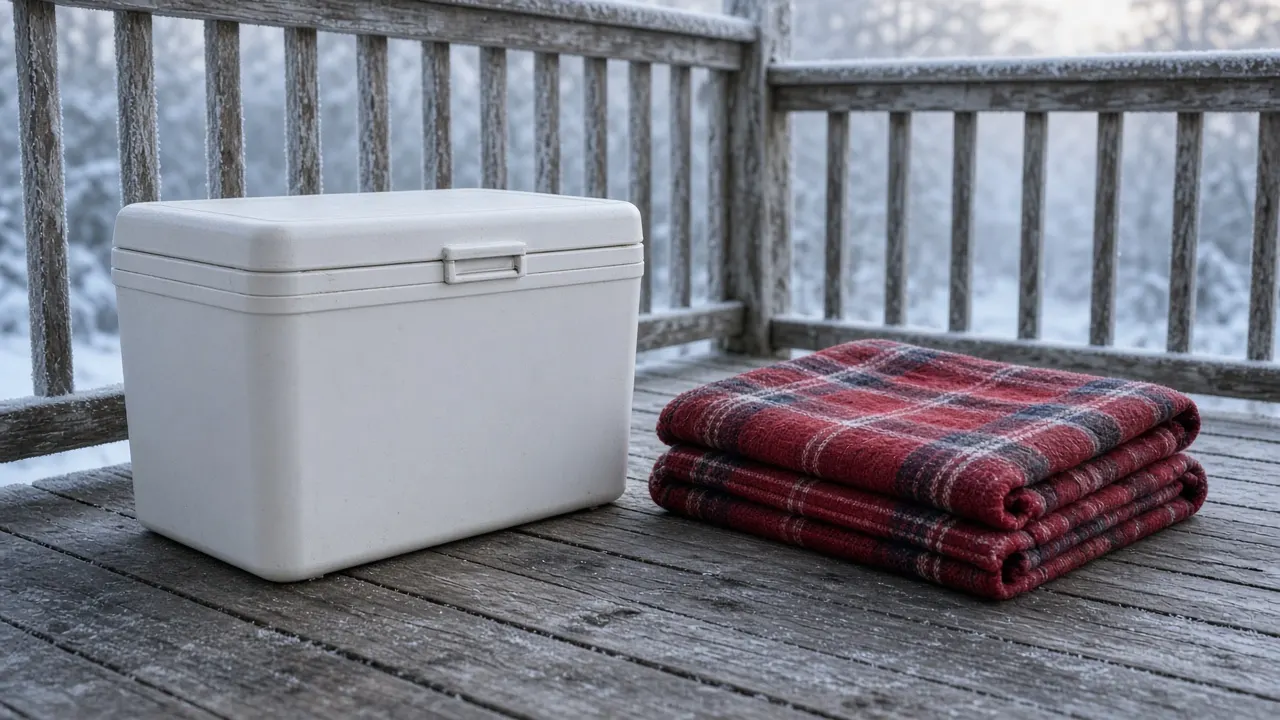
Most studios that accept shipped pets ask for the same things: your pet frozen solid for at least a day or two, double-bagged, packed in an insulated cooler with dry ice, and sent overnight early in the week so nothing sits in a depot over a weekend. Some provide a shipping kit or instructions; a few work with pet couriers who drive. If your pet isn't frozen yet, start with our guide to freezing a pet for preservation.
- Ask which carrier and service they want you to use, and whether they'll book it for you.
- Ask what dry-ice labeling the carrier needs; dry ice is regulated for transport, and the FAA's dry ice guidance shows how closely it's controlled on flights.
- Confirm someone will be there to receive the box the day it arrives.
- Ask how your finished pet comes home, and whether return shipping is included in the quote.
Shipping adds to the bill. Build it into your total with the memorial budget planner, alongside the preservation fee and any display case.
Across the United States
How preservation varies from state to state
Demand follows pet ownership. 71.8%[3] of households in Wyoming own a pet, compared with 49.7%[4] in New York, and rural states with high ownership often have fewer specialist studios to match. By our estimate, that means at least about 60 pet deaths a year per 1,000 Wyoming households[5], against about 42 in New York[6]. Urban owners, meanwhile, may have a studio within driving distance but longer waiting lists and higher prices. Our guide to freeze-drying costs shows how weight and pose change a quote wherever you live.
State rules mostly concern wildlife. Many states license taxidermists who work on game animals and require records for native wild species, but domestic cats, dogs and captive-bred pets are usually outside those rules. If your pet is a native bird, turtle or snake, ask the practitioner which permits apply before you ship; the US Fish and Wildlife Service explains its migratory bird permits for work on protected birds. Our suitability check guide covers this in more detail.
If your pet died today, could you freeze them properly within a few hours?
Tap an answer to vote and see how others answered. Anonymous.
Outside the US
Pet preservation in the UK, Canada and Australia
Pet ownership is high in all three countries: 62%[7] of UK households and 73%[8] of Australian households have a pet, and Canada is home to about 8.2 million[9] pet cats. Pet preservation specialists are still few in each, so most families choose from a small number of studios nationally. Shipping a frozen pet across a border is complicated and often not practical, so look within your own country first.
Prices are quoted in local currency and don't track US figures neatly, so ask for a written total. Wildlife rules differ too, especially for native birds and reptiles in Australia and the UK. If you're in one of these countries, send us your details and we'll look for practitioners who accept pets locally.
Our local pages
How to use the city and state pages below
Each local page gives you the basics for that area: how to freeze and hold your pet until you've chosen someone, what to say to a local vet or emergency clinic so your pet isn't sent for cremation by mistake, and what to ask about travel to a studio. They don't list businesses we haven't checked, and they don't rank anyone.
Use them alongside the preservation cost estimator, which shows a price and waiting range before shipping, and our guide to preservation timelines, which explains how long each stage takes once your pet arrives.

Free tool
Freeze-dry & taxidermy cost estimator
Estimate cost and waiting time for freeze-drying or taxidermy by size and pose.
Distance isn't the deciding factor
Choose by portfolio first, zip code second
With preservation, the difference between practitioners is visible and permanent. A studio two states away whose finished cats look exactly like cats may be a far better choice than a local game taxidermist who rarely sees pets. Ask to see photos of their pet work in natural light, and how many pets of your species they finish in a year.
Our checklist for vetting a preservation provider runs through the questions. For the alternatives if nobody suitable is within reach, see taxidermy, freeze-dry and hybrid alternatives. The services overview explains each kind of work, and the poll results show how other readers weighed distance against portfolio.

Reader polls
What would you choose?
Vote anonymously and see how other readers answered. The results are live counts from people who visit this site, so they show real opinions, not a scientific sample.
If your pet died today, could you freeze them properly within a few hours?
Tap an answer to vote and see how others answered. Anonymous.
If you were preserving your pet, which route would you lean toward?
Tap an answer to vote and see how others answered. Anonymous.
Did you (or would you) compare more than one provider?
Tap an answer to vote and see how others answered. Anonymous.


Questions people ask
Can I ship my pet to a taxidermist in another state?
Usually, yes. Many pet preservers accept shipped pets that arrive frozen solid, packed in a cooler with dry ice and sent overnight early in the week. Ask the practitioner which carrier they prefer, how to label the dry ice and whether they can arrange shipping for you. Return shipping of the finished piece is often quoted separately.
Is there a pet freeze-drying service near me?
There may be, but pet specialists are spread thinly, so the nearest one isn't always the right one. Judge by their finished pets of your species first, then by distance. If you tell us your city, species and pet's weight, we'll email back practitioners who accept pets from your area.
Do local wildlife laws affect pet taxidermy?
They can, but mainly for wild or native species. Domestic cats, dogs, rabbits and captive-bred parrots are usually straightforward. Native wild birds, some turtles and protected reptiles can be restricted, and practitioners may need a permit or proof the animal was legally kept. Ask before you ship.
Is preservation cheaper outside big cities?
Sometimes, because rural studios can have lower costs, but the biggest factors are your pet's weight, the method and the pose rather than location. Shipping to a cheaper studio can erase the saving. Compare written totals that include delivery both ways.
What if there's nobody in my country who preserves pets?
Consider a partial piece, such as a paw or a lock of fur set in a frame, a clay or plaster paw cast you make at home, or cremation paired with a keepsake. Those are all possible locally. Our alternatives guide explains how to keep something meaningful without full preservation.


Sources and our estimates
- [1] North America held 48.3% of the pet preservation market in 2023, and dogs accounted for 57.6%. Astute Analytica via GlobeNewswire — Global Pet Preservation Services Market to Hit USD 112.7 Million by 2032 (Apr 2, 2024), 2023.
- [2] The U.S. has more than 100 pet taxidermy businesses, generating an estimated USD 25–30 million in annual revenue. Astute Analytica via GlobeNewswire — Global Pet Preservation Services Market to Hit USD 112.7 Million by 2032 (Apr 2, 2024), 2023.
- [3] About 71.8% of households in Wyoming own a pet. World Population Review (compiling AVMA survey data), 2023.
- [4] About 49.7% of households in New York own a pet. World Population Review (compiling AVMA survey data), 2023.
- [5] In Wyoming, at least about 60 pet deaths per 1,000 households per year are likely (lower bound). Our estimate: 71.8% pet-owning households x 1,000 x 1 pet / blended dog-cat life expectancy (11.93 yrs). How we calculate.
- [6] In New York, at least about 42 pet deaths per 1,000 households per year are likely (lower bound). Our estimate: 49.7% pet-owning households x 1,000 x 1 pet / blended dog-cat life expectancy (11.93 yrs). How we calculate.
- [7] 62% of UK households have a pet. UK Pet Food (formerly PFMA) Pet Population 2026, 2026.
- [8] 73% of Australian households have at least one pet. Animal Medicines Australia, Pets in Australia 2025 (media release), 2025.
- [9] Canada was home to an estimated 8.2 million pet cats in 2024. Canadian Animal Health Institute (CAHI) 2024 Canadian Pet Population Survey, 2024.
Find pet preservation for your area
Tell us what you need and where you are. We'll reply by email with clear options and prices so you can decide in your own time.