Pet Preservation in New Zealand
Freeze-drying, traditional taxidermy or a single preserved paw: this page explains what each involves for owners in New Zealand, what the published prices are and what the finished piece will honestly look like.
- Freeze first, decide later
- Published prices by pet size
- Help finding a specialist who takes your species

New Zealand
Pet Preservation in New Zealand: what to know
For families in New Zealand, the biggest hurdle is often the freezer, not the practitioner. A pet needs to be frozen within hours and kept frozen without a break, sometimes for weeks. Clinic freezers, borrowed chest freezers and dry ice during outages are what the whole process rests on, wherever in New Zealand you live.
Finding a pet preservation practitioner in New Zealand usually takes some searching, because many don't advertise widely and most taxidermists focus on wildlife. Ask to see finished pets, not trophy mounts, and ask how many animals of your species they've completed. The local pages for New Zealand add city-level detail on freezing, travel and weather.
We cover 4 communities in New Zealand, from Auckland, Christchurch and Wellington to smaller towns.
Our estimate
595,000
Estimated pet-owning households across the communities we cover in New Zealand
How we calculated this
The sum of our per-city estimates for the 4 communities in New Zealand on this site: each city's population ÷ national average household size × the national share of households with a pet. Households with several pets count once.

Browse New Zealand by region
Pick your state or region to see every community we cover there, or jump straight to one of the largest cities.
Cremation, burial and preservation in New Zealand
Roughly 69%[1] of people in New Zealand are cremated, and the rest are mostly buried, so families here are used to both ideas. Preservation is a third way of keeping a pet close, and one with a hard deadline: it has to be decided on, at least provisionally, before the body warms. Freeze first, and the burial or cremation choice for anything you don't keep can wait.
The Spinoff, citing FDANZ 2023 Funeral Industry Trends Report (2023) publishes the New Zealand rate we quote. Read it as the local custom around cremation rather than as pet data.
Published prices and waits for New Zealand owners
With few specialists spread across large distances, most families in Australia and New Zealand choose a practitioner by their pet work and then plan the delivery. Ask whether they accept frozen pets by courier, what packing they want, and how the finished piece comes home. Get the deposit and full price in writing before anything is sent.
We haven't found reliable published pet preservation prices in Australian or New Zealand dollars, so we won't invent them. What we do know is timing: one Queensland freeze-dry studio says a small cat or dog takes 8–12 weeks[2], and a very large dog up to four to five months[2]. Ask any practitioner for a written quote in local currency.
| Item | Published figure | Notes |
|---|---|---|
| Freeze-dry wait, small cat or dog (Queensland studio) | 8–12 weeks[2] | Very large dogs up to 4 to 5 months |
| Freeze-dry price in AUD or NZD | Not published in our research | Ask for a written local quote |
| Freeze-dried cat or small dog (UK guide) | £800–£1,500[3] | For scale only |
| Freeze-dried cat or small dog (US guide) | $1,000–$2,500[4] | For scale only |
| Taxidermy, cat or small dog (US guide) | $800–$2,500[5] | For scale only |
We built the this numbers from Down Under Taxidermy and AK Mountain Dog, and both are worth a look if you want the detail.

Free tool
Freeze-dry & taxidermy cost estimator
Estimate cost and waiting time for freeze-drying or taxidermy by size and pose.
Permits, shipping and burial rules in New Zealand
One practical rule matters more than any statute: a pet who has had a post-mortem examination (a necropsy) usually can't be preserved whole, because of the incisions involved. If your vet, insurer or breeder asks for one, decide first which matters more to you, the answers or the body. Otherwise, domestic pets face few legal limits, and the notes below for New Zealand cover anything you don't keep.
In New Zealand, most native birds and reptiles are protected by law, so preserving a native species usually needs Department of Conservation approval, while domestic cats, dogs and introduced birds are generally straightforward. Pet preservation specialists are very few. Biosecurity rules make sending a pet's body overseas and back difficult, so partial keepsakes done locally are often the practical choice.
The first hours, step by step
- Take a breath. A pet that went into the freezer promptly isn't going anywhere. If not, freeze them now regardless and put the situation plainly to a practitioner.
- Describe exactly what happened when you reach out: the time of death, the gap before your pet was frozen, and how warm the room was.
- Choose the pose with the practitioner. Closed-eye sleeping poses usually look the most natural.
- Send reference photos, including the face in good light and anything distinctive about how your pet sat or lay.
- Pay only the agreed deposit, then file the quote, promised return date and refund conditions where you can find them.
- Prepare a spot at home away from sun, damp and heating vents, so your pet has somewhere safe to come back to.
Other ways to keep your pet close
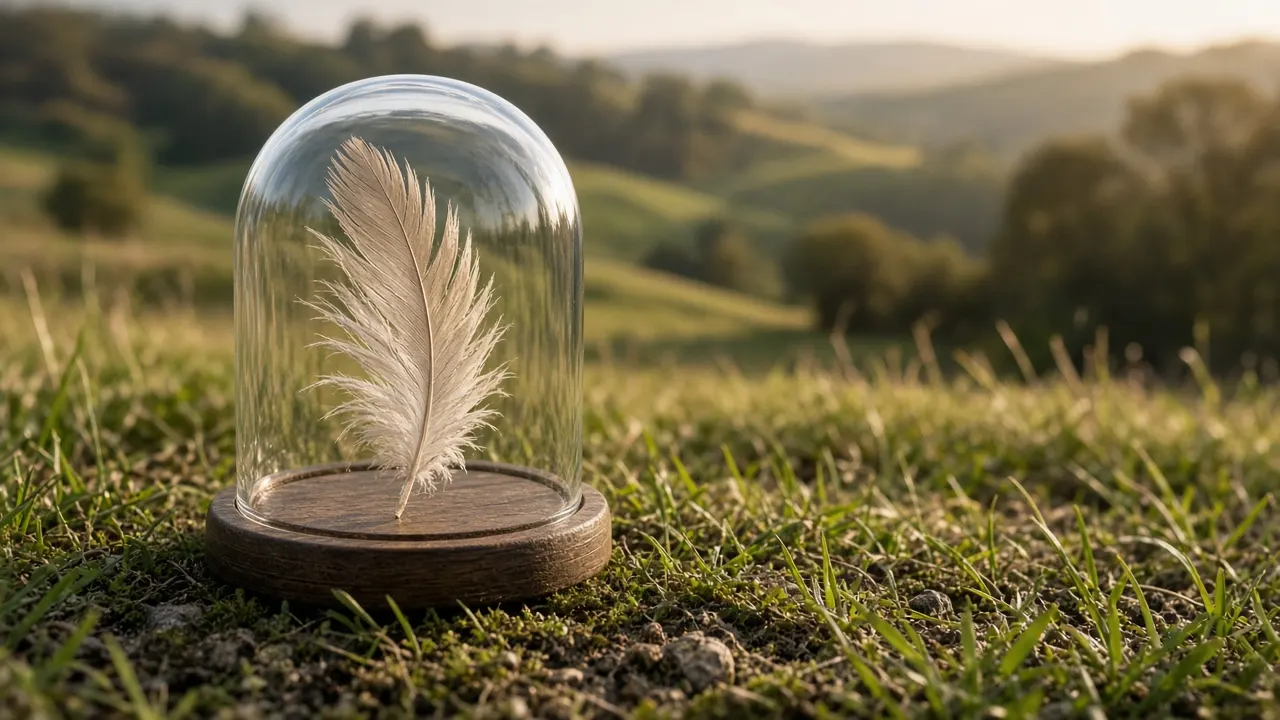
A glass dome or case is worth considering for any preserved pet. It keeps dust, insects and curious hands off delicate work, evens out humidity and makes the piece feel intentional rather than just placed on a chair. Ask your practitioner for the case dimensions they'd recommend, and budget for it alongside the preservation itself.
If New Zealand is not quite where you are, all locations has the rest. Otherwise the services page, the tools and the poll results are the useful next stops.

Reader polls
What would you choose?
Vote anonymously and see how other readers answered. The results are live counts from people who visit this site, so they show real opinions, not a scientific sample.
If your pet died today, could you freeze them properly within a few hours?
Tap an answer to vote and see how others answered. Anonymous.
If you were preserving your pet, which route would you lean toward?
Tap an answer to vote and see how others answered. Anonymous.
If you had to decide today, which aftercare would you choose for your pet?
Tap an answer to vote and see how others answered. Anonymous.


Questions people ask
Is there a pet taxidermist in New Zealand?
There may be a few, but pet specialists are rare, and many taxidermists in New Zealand mainly mount game. Choose by the quality of finished pets of your species, then plan how to get your pet there frozen. Tell us your species, weight and city, and we'll email back practitioners who take pets from your area.
How many families in New Zealand could face this decision?
By our estimate, the 4 communities we cover in New Zealand are home to about 595,000 households with a dog or cat. Only a small share ever consider preservation, which is why so few practitioners exist and why most families send their pet some distance to the right one.
How long does pet preservation take for families in New Zealand?
Usually months. Freeze-drying takes three to six months for small pets and seven or more for large dogs[7], and both freeze-drying and taxidermy often run 6–12 months[8]. Add the practitioner's queue. Ask for a return date in writing and whether they'll send updates.
How many communities do you cover in New Zealand?
We have local pet preservation pages for 4 communities in New Zealand, including Auckland, Christchurch and Wellington. Each one covers how to freeze and hold your pet there, what the local weather means for the first hours, shipping to a practitioner, and published prices.
How do I keep a preserved pet in good condition in New Zealand?
Keep it out of direct sun, away from damp rooms and heating vents, and check it now and then for moths or carpet beetles. Dust gently with a soft brush or a hair dryer on cool, and never wash it. In humid months, a dehumidifier or a sealed glass case helps protect freeze-dried work.
Does it matter which vet in New Zealand my pet is with when they die?
Mostly it matters whether they have freezer space and whether they'll take your pet off the crematory list. Any clinic can do that if you ask clearly. If yours can't freeze your pet, ask them to recommend a practice or emergency hospital nearby that can, or collect your pet quickly and use a freezer at home.

Sources and our estimates
- [1] 69% of bodies in New Zealand were cremated in 2023, per the Funeral Directors Association of NZ. The Spinoff, citing FDANZ 2023 Funeral Industry Trends Report, 2023.
- [2] A Queensland freeze-dry pet preservation studio says a small cat or dog takes 8–12 weeks and a very large dog up to 4–5 months. Down Under Taxidermy – Freeze-dry pet preservation, 2026.
- [3] A freeze-drying guide puts UK costs at £300–£500 for hamsters or birds, £800–£1,500 for cats and small dogs, and £3,000+ for large dogs. AK Mountain Dog – Freeze Dried Pets Cost Breakdown, 2025.
- [4] Memorials.com puts freeze-drying at $1,000–$2,500 for a cat or small dog and $2,000–$5,000+ for a medium to large dog. Memorials.com – Pet Taxidermy Guide, 2025.
- [5] Memorials.com puts traditional taxidermy at $800–$2,500 for a cat or small dog and $1,500–$5,000+ for a medium to large dog. Memorials.com – Pet Taxidermy Guide, 2025.
- [6] Freeze-drying a pet costs about 6 times as much as an average cremation. Our estimate: USD 1,500 (midpoint of USD 1,000–2,000) / USD 250. How we calculate.
- [7] Freeze-dry preservation takes 3–6 months for small pets, 7+ months for large dogs and up to a year for very large animals. Astute Analytica via GlobeNewswire — Global Pet Preservation Services Market to Hit USD 112.7 Million by 2032 (Apr 2, 2024), 2024.
- [8] Both traditional taxidermy and freeze-drying typically take 6–12 months, sometimes longer. Memorials.com – Pet Taxidermy Guide, 2025.
Find a preservation specialist for your pet
Tell us what you need and where you are. We'll reply by email with clear options and prices so you can decide in your own time.