How long does pet preservation take? What happens at each stage
Freeze-drying usually takes 3–6 months (small pets)[1], with large dogs needing seven months or more and very large animals up to a year. Traditional taxidermy runs on a similar clock, commonly six months to a year. Most of that time is the drying itself plus the studio's queue, not hands-on work.
By the Pet Taxidermy & Preservation Services editorial team · Updated September 24, 2026 · 4 min read · Sources
- Typical waits by pet size and method
- What's happening to your pet each month
- What speeds things up and what slows them down
The short answer
How long will preservation take for your pet?
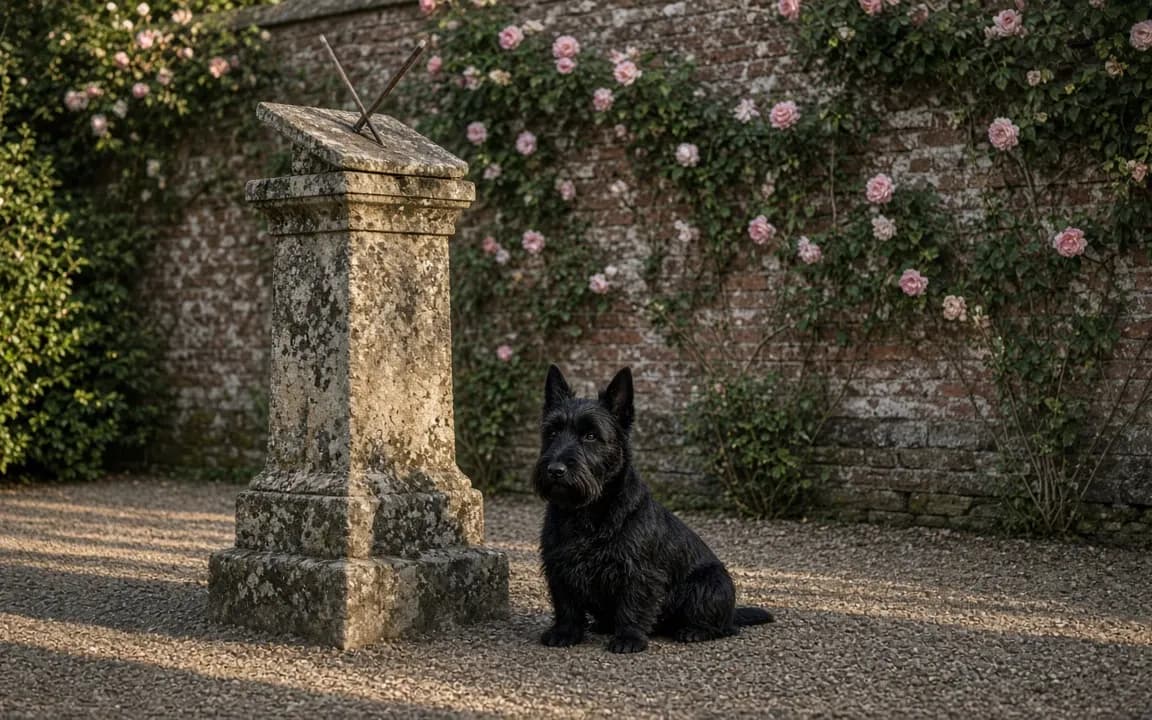
Size is the biggest factor, because a freeze-dry chamber pulls water out from the outside in, and a big body holds a lot of water a long way from the surface. A hamster dries in weeks; a Labrador can need the better part of a year. Here's how published figures line up.
| Pet | Freeze-drying | Source |
|---|---|---|
| Under 1 lb (hamster, budgie, small lizard) | About 4–6 months at one US studio | Studio price list[2] |
| 1–6 lb (small cat, rabbit, toy dog) | About 6–8 months at one US studio | Studio price list[3] |
| Small pets in general | 3–6 months | Industry figure[1] |
| Small cat or dog, Australia | 8–12 weeks | Queensland studio[4] |
| Large dogs | 7 months or more | Industry figure[1] |
| Very large animals | Up to a year | Industry figure[1] |
Taxidermy works differently but ends up in a similar place: a US price guide puts both methods at 6–12 months[5], sometimes longer. The preservation cost estimator gives a wait alongside the price for your pet's weight.
Freeze-drying, step by step
What happens to your pet during freeze-drying?
- Arrival and check-in (a few days). The studio confirms your pet arrived frozen and logs them in their freezer.
- Waiting in the queue (days to months). Your pet stays frozen until a chamber and the artist are free. This is often the longest part.
- Thawing and assessment (a day or two). Your pet is thawed just enough to examine the skin and coat and to move the limbs.
- Grooming and posing (a few days). The artist washes and dries the coat, sets the pose, positions the head and ears, and shapes the face using your photos. Your pet is then refrozen in that pose.
- The chamber (weeks to many months). In a deep-cold vacuum, ice inside the body turns straight to vapor and is drawn away. Studios weigh the animal regularly; it's done when the weight stops dropping.
- Finishing (a week or two). Final grooming, color touch-ups to the nose and pads, eyes checked, and mounting on a base if you ordered one.
- Return (days). Pickup, or careful shipping.
Traditional taxidermy
How is the taxidermy timeline different?
Taxidermy doesn't need a long chamber cycle, but it has more steps done by hand, with drying time between them. The skin is removed and tanned, which on its own can take weeks. Meanwhile the artist builds or adapts a form to your pet's measurements. The tanned skin is then fitted, stitched and pinned while it dries into shape, and the face is sculpted and painted at the end.
Wildlife taxidermists often have seasonal backlogs after hunting season, so a pet dropped off in the late fall can wait longer. Pet specialists have their own queues. Either way, a range of six months to a year is normal. Our comparison of freeze-drying vs taxidermy covers the other differences. The services overview sets out what each method involves.
Why estimates move
What makes preservation take longer than quoted?
- A long queue. A studio with one chamber can only run a set number of pets at a time.
- Size and body fat. Heavier, fatter pets hold more moisture and dry more slowly.
- Complications. Surgery sites, a necropsy or fur problems add repair time.
- A thick or long coat. Grooming and drying take longer.
- Your approvals. If the studio waits for you to sign off a pose photo, a slow reply adds days.
Delays are common and usually innocent. What matters is how the studio communicates them. Our guide on grief during the waiting months has suggestions for the updates to agree on up front. If the waiting feels heavy, the free Tufts Pet Loss Support Helpline is there for exactly that kind of grief.
How do you feel about waiting months for a preserved pet to come home?
Tap an answer to vote and see how others answered. Anonymous.
If you can't wait that long
Can preservation be done faster?
Sometimes, at a price. One US studio offers priority service at 50% on top of the standard fee, cutting its wait to 6–8 weeks[6]. That shortens the queue, not the physics: a large dog still needs its time in the chamber. Some studios outside the US quote shorter standard waits, like the Queensland studio's 8–12 weeks[4] for a small cat or dog.
The other way to shorten the wait is to preserve less. A single paw or a tail dries far faster than a whole pet, and a cast or print is ready in weeks. See our list of lighter keepsakes if time matters most. Cremation is quicker still: by our estimate, across published ashes-return times, a conservative typical window is 3 to 14 days[7], which is why some families choose a partial piece plus ashes.

Free tool
Freeze-dry & taxidermy cost estimator
Estimate cost and waiting time for freeze-drying or taxidermy by size and pose.
What you can do
What can you do to keep things on track?
Freeze your pet well and early, so the studio isn't doing repair work; our freezing guide explains how. Send good reference photos with your pet rather than weeks later. Reply promptly to pose photos. And ask for the timeline in writing when you book, as suggested in our questions for a pet taxidermist. Grief doesn't pause for the queue, and Harvard Health's article on pet loss explains why it can hit as hard as losing a person.
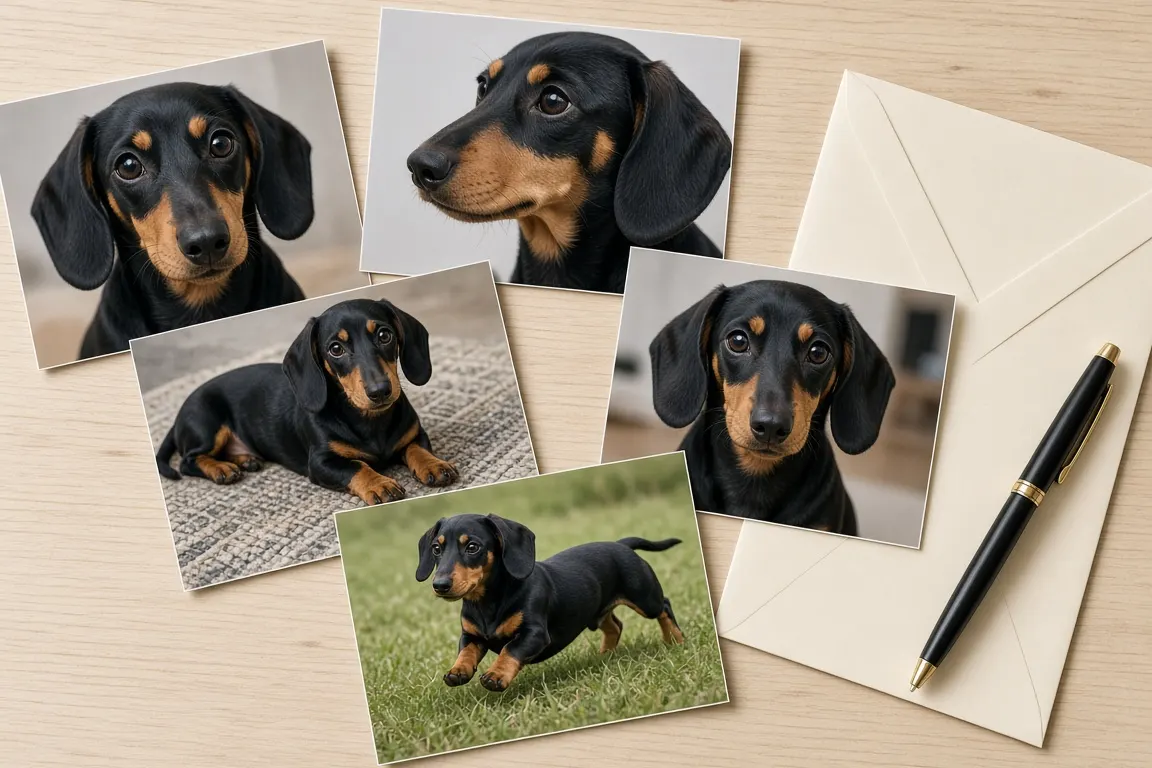
If you'd like options from practitioners with shorter queues, tell us about your pet and we'll ask about current waits when we look. If a closer studio would help, our locations pages cover drop-off and shipping, and the poll results show how long other readers expected to wait.

Reader polls
What would you choose?
Vote anonymously and see how other readers answered. The results are live counts from people who visit this site, so they show real opinions, not a scientific sample.
How do you feel about waiting months for a preserved pet to come home?
Tap an answer to vote and see how others answered. Anonymous.
If you were preserving your pet, which route would you lean toward?
Tap an answer to vote and see how others answered. Anonymous.
What was the hardest part of losing your pet?
Tap an answer to vote and see how others answered. Anonymous.


Questions people ask
How long does it take to freeze-dry a cat?
Usually several months. A US studio quotes 6–8 months for pets in the 1–6 lb band[3], and a typical adult cat sits just above that, so a similar or slightly longer wait is realistic. Some studios, like one in Queensland, quote 8–12 weeks for a small cat[4]. Ask each studio for its current queue.
Why does freeze-drying a dog take so long?
Because the chamber removes water very slowly, from the surface inward, so the body keeps its shape. A large dog holds a lot of water deep inside, and rushing would damage the tissue. Industry figures put large dogs at seven months or more[1], and very large animals at up to a year.
Is my pet safe while waiting in the studio's queue?
Yes, as long as the studio keeps your pet frozen, which is standard. Ask how they label and store pets and whether the freezers are alarmed or on backup power. A properly frozen pet waits without harm, which is why the queue adds time but not risk.
Can I get my pet back sooner by choosing taxidermy?
Not reliably. Taxidermy skips the long chamber cycle but has many hand steps with drying in between, and both methods commonly take six months to a year[5]. For the shortest wait, a partial piece or a cast is usually the quicker route.
What if my pet is ready but I'm not ready to see them?
Tell the studio. Many will hold a finished piece for a short time or send photos first so you can prepare. It's common to feel a surge of emotion at the homecoming, and choosing a calm day for pickup or delivery is completely reasonable.
Does the time of year affect how long preservation takes?
It can. Wildlife taxidermists get busy after hunting season, so queues grow in late fall and winter. Pet specialists see steadier demand, but holiday periods can slow shipping. Ask about the current queue when you book, not the average.

Sources and our estimates
- [1] Freeze-dry preservation takes 3–6 months for small pets, 7+ months for large dogs and up to a year for very large animals. Astute Analytica via GlobeNewswire — Global Pet Preservation Services Market to Hit USD 112.7 Million by 2032 (Apr 2, 2024), 2024.
- [2] One U.S. pet preservation studio charges USD 650 to freeze-dry a pet under 1 lb, with a 4–6 month turnaround. Animal Family Pet — Pet Preservation Pricing & Shipping, 2026.
- [3] An Ohio pet preservation studio charges $1,250 to freeze-dry a 1–2 lb pet and $2,095 for 2–6 lb, with 6–8 month turnaround. Animal Family Pet Preservation – Pricing, 2026.
- [4] A Queensland freeze-dry pet preservation studio says a small cat or dog takes 8–12 weeks and a very large dog up to 4–5 months. Down Under Taxidermy – Freeze-dry pet preservation, 2026.
- [5] Both traditional taxidermy and freeze-drying typically take 6–12 months, sometimes longer. Memorials.com – Pet Taxidermy Guide, 2025.
- [6] Paying 50% extra for VIP service cuts freeze-dry turnaround to 6–8 weeks at Animal Family Pet Preservation. Animal Family Pet Preservation – Pricing, 2026.
- [7] Published ashes-return times across the network's markets range from same-day (paid express) to about 4 weeks; a conservative typical window is 3-14 days. Our estimate: min/max across sources: Lambeth 3 days; US 5-10 days; RSPCA QLD within 14 days; AniCura Sweden 2-4 weeks. How we calculate.
Get preservation options with realistic waits
Tell us what you need and where you are. We'll reply by email with clear options and prices so you can decide in your own time.