Questions to ask a pet taxidermist, and what a good answer sounds like
The questions that matter most are: can you do my species and pose, what will it cost in total, when will my pet be back, and what happens if something goes wrong. A good practitioner answers clearly, asks about your pet in return, and puts the important parts in writing.
By the Pet Taxidermy & Preservation Services editorial team · Updated September 24, 2026 · 4 min read · Sources
- Seventeen questions, grouped by stage
- What good and worrying answers sound like
- A shortlist to print or save to your phone
Before you call
What are the most important questions to ask?
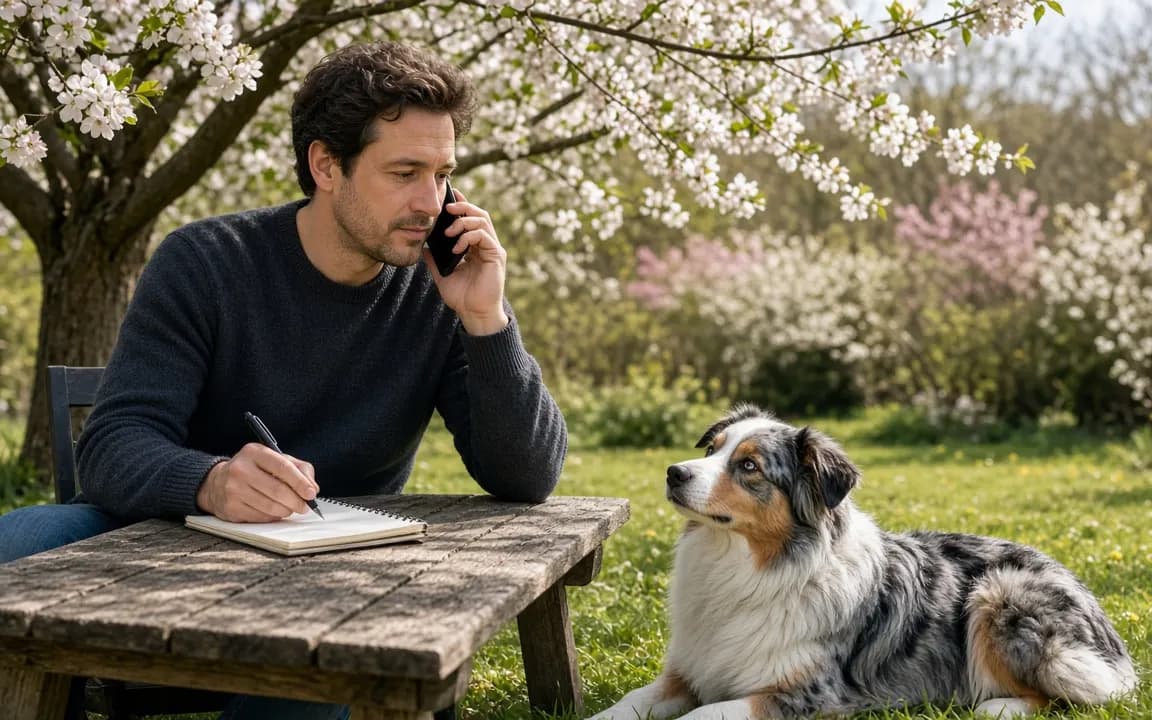
If you only have the energy for four, ask these: Have you preserved pets like mine, and can I see them? What will the total be? When will my pet be back? What happens if you find a problem? Everything else refines those answers.
It's fine to read from a list. Practitioners who work with grieving owners are used to it, and many will be relieved you've thought things through. Email works well too, because it gives you the answers in writing. Pair these with our checklist for vetting a preservation provider, which covers the portfolio and contract side. Membership of a trade body such as the National Taxidermists Association shows commitment to the craft, but it isn't a license and it doesn't prove pet experience, so still ask to see pets.
Before any of that
What should you ask yourself before calling anyone?
Three questions of your own make every conversation with a studio shorter and clearer. What do I want to see when it comes home? A pet curled asleep, sitting up, or just a paw. What's my ceiling on cost? Knowing it lets a practitioner steer you toward what fits rather than what's grandest. Who else in the house needs to be comfortable with this?
If the answers are fuzzy, that's fine; freezing your pet gives you time to find them. The memorial budget planner can help you set a number, and our poll on poses shows what other owners picture when they imagine the finished piece. Our services overview explains the options you might discuss.
Stage one
What should you ask about whether your pet can be done?
- How many pets of my species and size have you done? Good: a specific number and an offer of photos. Worrying: 'I can do anything.'
- Based on what I've told you, do you see any problems? Good: questions about timing, storage and health. Worrying: a yes before they know anything.
- What would make you decline once you've seen my pet? Good: a straight answer about fur slip, incisions or damage. Worrying: 'That never happens.'
- Which method and pose would you suggest, and why? Good: an honest steer, even if it's toward a simpler option.
Our suitability check guide explains what they're looking for, so you'll recognize a thoughtful answer when you hear one. If your pet is a bird, ask whether the species needs paperwork: pet parrots and poultry are generally fine, but native wild birds can't be preserved without a US Fish and Wildlife Service migratory bird permit.
Stage two
What should you ask about price?
- What's the total, including base, pose, eyes and return shipping?
- How is the price calculated? Many studios price by weight. One US list charges $2,781 + $69/lb[1] above 20 lb, and $2,095 plus $49 per lb for 6 to 19 lb pets, while a pet under a pound can be as little as USD 650[2]. By our estimate, that over-20 lb rate works out to ~$4,851[3] for a 50 lb dog, so ask how they read their own list.
- What deposit do you need, when is the rest due, and what's refundable?
- What extras sometimes come up? One price guide says custom bases and posing usually add $150–$800[4]; a UK guide says color touch-ups on a freeze-dried pet can add £200–£500[5].
- Is there a storage fee if I can't collect on time?
Enter your pet's weight into the preservation cost estimator before you ask; if a quote is far outside that range, ask what's different.

Free tool
Freeze-dry & taxidermy cost estimator
Estimate cost and waiting time for freeze-drying or taxidermy by size and pose.
Stage three
What should you ask about timing and updates?
- When do you expect to return my pet, as a range? Freeze-drying usually takes 3–6 months (small pets)[6]; large dogs take longer.
- How many pets are ahead of mine?
- Is there a faster option, and what does it cost?
- How and when will you update me? Agree whether you want pose photos or only a note when your pet is ready.
Good answers here are ranges, not promises, with a reason attached. A studio that says 'six to eight months, because large dogs dry slowly and I have four ahead of you' is being more honest than one that says 'eight weeks, no problem'. See how long preservation takes for typical waits. The poll results show how long other readers were prepared to wait.
How do you feel about waiting months for a preserved pet to come home?
Tap an answer to vote and see how others answered. Anonymous.
Stage four
What should you ask about getting your pet there?
- How do you want my pet prepared and packed? Good: specific freezing and bagging instructions.
- Can I drop off, or do you arrange a frozen courier? Ask who pays and who is responsible in transit.
- What do you need from me with my pet? Usually photos, a note of any health issues, and a signed authorization.
If the right studio is a long way off, don't be put off; many owners ship. The locations page explains how it usually works, and how to freeze a pet for taxidermy covers preparing your pet before any trip.
Stage five
What should you ask about the finished piece?
These are the questions people most often forget, and the ones they most wish they'd asked.
- Will you send photos before you ship, and fix small things I notice?
- What should I expect to look different from life? Good: an honest description of eyes, nose and ears.
- How should I display and care for it? Good: specific advice on sunlight, humidity and pests.
Our guide to displaying and caring for preserved pieces covers the long-term side, so you can check their advice against it.

Reader polls
What would you choose?
Vote anonymously and see how other readers answered. The results are live counts from people who visit this site, so they show real opinions, not a scientific sample.
What would matter most to you in a preserved pet?
Tap an answer to vote and see how others answered. Anonymous.
Which pose feels most like your pet?
Tap an answer to vote and see how others answered. Anonymous.
Did you (or would you) compare more than one provider?
Tap an answer to vote and see how others answered. Anonymous.


Questions people ask
Is it rude to ask a taxidermist lots of questions?
Not at all. Experienced pet preservers expect questions, because owners are trusting them with something irreplaceable. A practitioner who seems annoyed by reasonable questions about price, timing or what could go wrong is telling you something about how they'll communicate over the months ahead.
Should I ask these questions by phone or email?
Email is often easier, because you have the answers in writing and don't have to hold it together on a call. A short phone or video call afterward helps you get a feel for the person. Many owners send the same email to two or three studios and compare replies.
What if the taxidermist won't give a firm price?
A range before they've seen your pet is normal, because condition and size affect the work. But they should explain what the range depends on and confirm a final figure after examining your pet, before starting. Refusing to give any number at all is a reason to look elsewhere.
How do I ask about mistakes without sounding accusatory?
Frame it as planning: 'If something about the face isn't quite right when I see the photos, what usually happens?' A good practitioner will describe their revision process calmly. It's a normal question, and the answer tells you a lot.
What should I bring or send along with my pet?
Clear photos from life, ideally the face from front and side, the pose you'd like, and notes about any health issues, surgery or shaving. Include your contact details and a signed authorization if the studio asks for one. Tape a label with your name and phone number to the outer bag.
What if two studios give very different answers to the same question?
That's useful information. Ask each one to explain their reasoning, especially on suitability, pose and price. A studio that explains clearly why it would do something differently is usually more trustworthy than one that simply says the other is wrong. Trust the answer that is specific to your pet.


Sources and our estimates
- [1] An Ohio pet preservation studio prices freeze-drying for pets over 20 lb at $2,781 plus $69 per pound, and 6–19 lb pets at $2,095 plus $49 per pound. Animal Family Pet Preservation – Pricing, 2026.
- [2] One U.S. pet preservation studio charges USD 650 to freeze-dry a pet under 1 lb, with a 4–6 month turnaround. Animal Family Pet — Pet Preservation Pricing & Shipping, 2026.
- [3] On a per-pound-above-threshold reading of its price list, one Ohio studio would charge about $4,851 to freeze-dry a 50 lb dog. Our estimate: $2,781 + $69 × (50 − 20) lb. How we calculate.
- [4] Taxidermy and freeze-drying add-ons such as custom bases or positioning cost about $150–$800. Memorials.com – Pet Taxidermy Guide, 2025.
- [5] Painting and airbrushing touch-ups on a freeze-dried pet can add £200–£500. AK Mountain Dog – Freeze Dried Pets Cost Breakdown, 2025.
- [6] Freeze-dry preservation takes 3–6 months for small pets, 7+ months for large dogs and up to a year for very large animals. Astute Analytica via GlobeNewswire — Global Pet Preservation Services Market to Hit USD 112.7 Million by 2032 (Apr 2, 2024), 2024.
Get practitioners to ask these questions of
Tell us what you need and where you are. We'll reply by email with clear options and prices so you can decide in your own time.