How to vet a pet preservation studio before you hand over your pet
Before you choose a preserver, see finished pets of your species in unedited daylight photos, get the price, deposit, return date and refund terms in writing, and find out who actually does the work. It's a small trade, with just over a hundred US pet taxidermy businesses by one industry count[1], so quality varies a lot and a careful check is worth the time.
By the Pet Taxidermy & Preservation Services editorial team · Updated September 24, 2026 · 4 min read · Sources
- What a trustworthy portfolio looks like
- The contract terms that protect you
- Red flags that mean keep looking
Why it matters
Why is vetting a preserver harder than choosing a crematory?
Because the result is a work of art, and you'll only see it months after paying. Crematories do broadly the same thing everywhere. Preservers don't. Two studios using the same freeze-dry method can return very different pets, depending on how they pose, groom and finish the face.
100+ businesses / USD 25–30M[1]
The field is also growing slowly. By our estimate it adds only ~USD 2.7 million/yr[2] in global revenue, so new studios appear, some with freeze-dry machines and little experience. That's not a reason to avoid newer practitioners, just a reason to look closely at their work. Our services overview explains what each method involves, so you know what you are judging.
Check one
What should a good portfolio show?
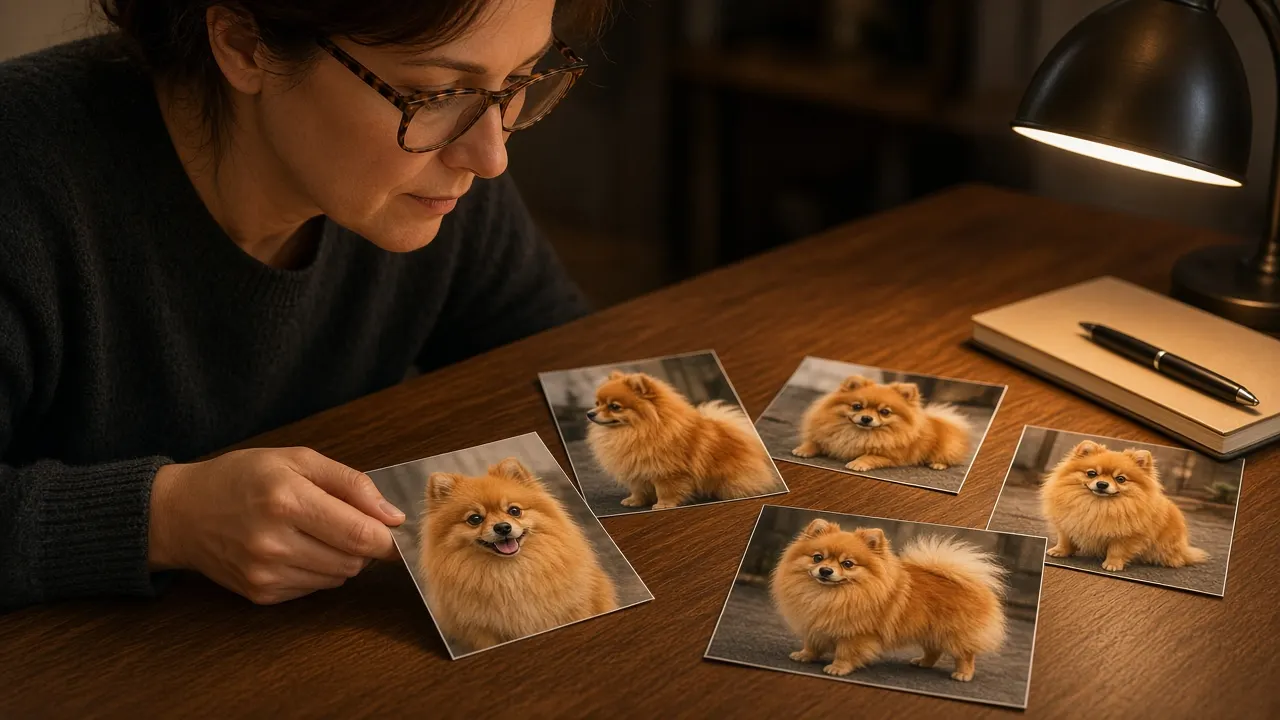
Ask for photos of finished pets of your species and similar size. A studio that mounts beautiful deer heads may never have done a Pomeranian's face. Ask for phone photos taken in daylight rather than edited, filtered shots under studio lighting, which can hide shrinkage around the eyes and lips. Ribbons from wildlife competitions, such as those run by the National Taxidermists Association, show technical skill, but a pet's face is a different test.
- Look at faces first: eyes, nose, lips and ear set are where problems show.
- Look for several examples, not one showcase piece.
- Ask for photos of work that is a year or two old, to see how pieces hold up.
- Ask whether any pictured pets had complications like a necropsy or surgery, and how they handled them.
Check two
What should be in writing before you pay?
Everything that affects money or your pet's safety. A reputable studio will be happy to put it on paper; hesitation here is a warning sign.
| Term | Why it matters |
|---|---|
| Full price and what's included | Base, pose, eyes and shipping can each be separate |
| Deposit and payment schedule | Know what's refundable and when the balance is due |
| Estimated return window | A date range, and what happens if it slips |
| What happens if damage is found on thawing | Options and refunds if your pet can't be done as planned |
| Revisions | Whether small fixes are included after you see photos |
| Storage and pickup | Fees if you can't collect on time |
| Return shipping | Who packs, insures and pays |
Add-ons can move the total a lot: one price guide says custom bases and positioning typically add $150–$800[3]. Check your quote against the preservation cost estimator so an unusually high or low number stands out.

Free tool
Freeze-dry & taxidermy cost estimator
Estimate cost and waiting time for freeze-drying or taxidermy by size and pose.
Check three
Who does the work, and how long is the queue?
Ask who will pose and finish your pet, by name. Some studios send work out to other artists, which isn't wrong but should be disclosed. Ask how many pets are ahead of yours and how many freeze-dry chambers they run. A studio with one chamber and a long queue can't honestly promise a short wait.
Typical waits are 6–12 months[4] for either method. Faster service exists at a cost; one US studio charges 50% extra for a 6–8 week turnaround[5]. A promise of speed without a surcharge or explanation deserves a follow-up question. Our timelines article explains what's realistic. Other readers' expectations on waiting are in the poll results.
How do you feel about waiting months for a preserved pet to come home?
Tap an answer to vote and see how others answered. Anonymous.
When to walk away
What are the red flags?
- No photos of finished pets, or only stock images and heavily edited shots.
- A price far below the usual range. One industry report puts freeze-drying at USD 1,000–2,000[6]; a quote at a fraction of that needs explaining.
- Full payment up front with no written terms.
- Promises that your pet will 'look alive'. Honest studios talk about looking peaceful and natural, not alive.
- Pressure to decide today. A frozen pet can wait; there's no reason to rush you.
- Vague answers about who does the work, where your pet will be kept, or what happens if something goes wrong.
Putting it together
How do you compare two or three studios fairly?
Send each one the same details: species, weight, how your pet has been stored, the pose you'd like and a few photos. Then line up the replies. Look at how quickly and carefully they answered, what questions they asked you, and whether their price includes the same things. The studio that asks you the most about your pet is often the one that will take the most care.
Our questions for a pet taxidermist give you a ready-made list, and the suitability check explains what they'll want to know. The right person may be far away; the locations page explains how pets travel to distant studios. Or tell us about your pet and we'll gather options for you.

Reader polls
What would you choose?
Vote anonymously and see how other readers answered. The results are live counts from people who visit this site, so they show real opinions, not a scientific sample.
What would matter most to you in a preserved pet?
Tap an answer to vote and see how others answered. Anonymous.
How do you feel about waiting months for a preserved pet to come home?
Tap an answer to vote and see how others answered. Anonymous.
Did you (or would you) compare more than one provider?
Tap an answer to vote and see how others answered. Anonymous.


Questions people ask
Do I need to visit a preservation studio in person?
It helps but isn't essential. Many owners never visit, because the right practitioner is far away and pets travel frozen. A video call where they show you finished work and their freezers can tell you a lot. What matters most is seeing real, unedited photos of pets like yours and getting the terms in writing.
Are online reviews reliable for pet taxidermists?
Treat them as one signal among several. Photos in reviews from other owners are more useful than star counts, because they show real finished work. Be cautious if every review is short and glowing, or if a studio has none at all but a slick website. Ask the studio if a past client would be willing to talk to you.
How much deposit is normal for pet preservation?
Studios commonly ask for a deposit when they accept your pet, with the balance due before return, but amounts vary. What matters is knowing in writing how much is refundable if your pet turns out to be unsuitable after thawing, and when each payment falls due. Be wary of paying the full amount before any work begins.
What if the studio closes before my pet is finished?
It's rare but worth thinking about with any small business. Ask how long they've been operating, whether someone else can finish work if they're ill, and keep all your paperwork and photos. Paying by a method with some buyer protection, like a credit card, can help if things go badly wrong.
Is a wildlife taxidermist good enough for my pet?
Sometimes, but pets are harder than wildlife because you know exactly what your pet's face looked like. Ask a wildlife taxidermist to show you pets they've done. If they have few or none, a pet specialist is usually the safer choice, even if they're further away.
Should I choose the cheapest quote?
Not on price alone. Compare what each quote includes, the photos of finished pets, and how carefully the studio answered your questions. A lower price can be fair if the studio is in a cheaper area or has a shorter queue, but if it's far below the others, ask what's different before you agree.


Sources and our estimates
- [1] The U.S. has more than 100 pet taxidermy businesses, generating an estimated USD 25–30 million in annual revenue. Astute Analytica via GlobeNewswire — Global Pet Preservation Services Market to Hit USD 112.7 Million by 2032 (Apr 2, 2024), 2023.
- [2] The pet preservation (freeze-dry/taxidermy) market adds only about USD 2.7 million a year, far slower than pet funeral services. Our estimate: (112.7M - 88.6M) / 9 years. How we calculate.
- [3] Taxidermy and freeze-drying add-ons such as custom bases or positioning cost about $150–$800. Memorials.com – Pet Taxidermy Guide, 2025.
- [4] Both traditional taxidermy and freeze-drying typically take 6–12 months, sometimes longer. Memorials.com – Pet Taxidermy Guide, 2025.
- [5] Paying 50% extra for VIP service cuts freeze-dry turnaround to 6–8 weeks at Animal Family Pet Preservation. Animal Family Pet Preservation – Pricing, 2026.
- [6] Freeze-drying a pet typically costs USD 1,000–2,000. Astute Analytica via GlobeNewswire — Global Pet Preservation Services Market to Hit USD 112.7 Million by 2032 (Apr 2, 2024), 2024.
Get options from practitioners who take your pet
Tell us what you need and where you are. We'll reply by email with clear options and prices so you can decide in your own time.