Freeze-drying vs taxidermy for pets: which one fits what you want?
Choose freeze-drying if you want your pet's own body in a natural resting pose; choose taxidermy if you want an alert, sitting or standing pose and a sturdier piece. Costs overlap: one US price guide lists about $1,000–$2,500[1] for freeze-drying a cat or small dog and $800–$2,500[2] for taxidermy, and both usually take many months.
By the Pet Taxidermy & Preservation Services editorial team · Updated September 24, 2026 · 4 min read · Sources
- What each method keeps and replaces
- Poses, faces and durability compared
- A quick guide to which suits your pet
The core difference
What's the actual difference between freeze-drying and taxidermy?
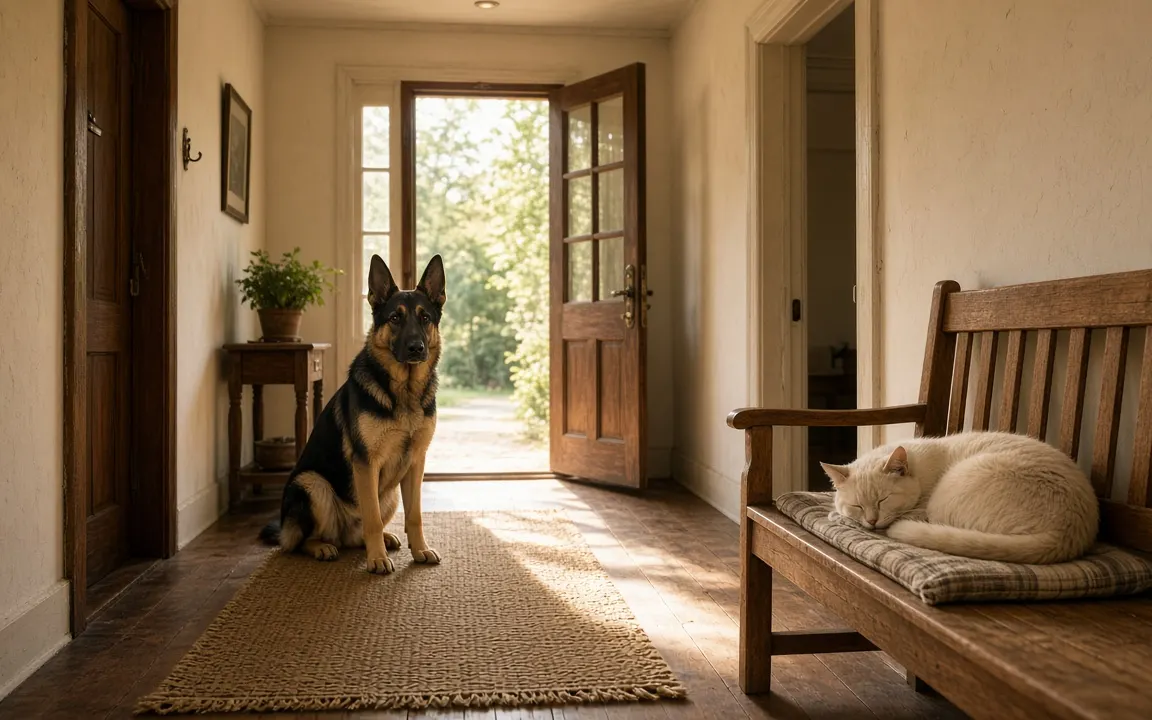
Freeze-drying preserves the whole animal. Your pet is posed, frozen, and placed in a vacuum chamber where the ice in their tissues slowly turns to vapor and is drawn off, leaving the body dry and stable. Nothing inside is replaced, which is why body shape stays true.
Taxidermy preserves the skin. The practitioner removes and tans it, builds a form to your pet's measurements, then fits the skin over it and sculpts the face, adding glass eyes. What you see is your pet's coat on an artist's sculpture of your pet. That's the key trade-off: freeze-drying is more literal, taxidermy more interpretive.
| Freeze-drying | Taxidermy | |
|---|---|---|
| What's preserved | The whole body | The skin and coat |
| What's rebuilt | Very little | Body form, face details, eyes |
| Poses that work well | Sleeping, curled, lying | Sitting, standing, alert |
| Cat or small dog cost (US guide) | $1,000–$2,500[1] | $800–$2,500[2] |
| Typical wait | 3–6 months for small pets[3] | Often 6–12 months[4] |
| Sensitivity to damp | Higher | Lower |
| Share of the market | About 62%[5] | Much smaller |
How they look
Which looks more like your pet?
For a pet lying down with their eyes closed, freeze-drying usually wins, because the real body carries all the little quirks you remember: the slight sway in the back, the way the paws overlap. For a pet sitting up with ears forward and eyes open, a skilled taxidermist often gets closer, because they can shape the face deliberately rather than relying on dried tissue.
Either way, faces are where both methods are tested. Send lots of photos, and look at each practitioner's past pets of your species. Our article on what a freeze-dried pet looks like covers the specific changes to expect in the eyes, nose and ears.
Which pose feels most like your pet?
Tap an answer to vote and see how others answered. Anonymous.
Over the years
Which method lasts longer?
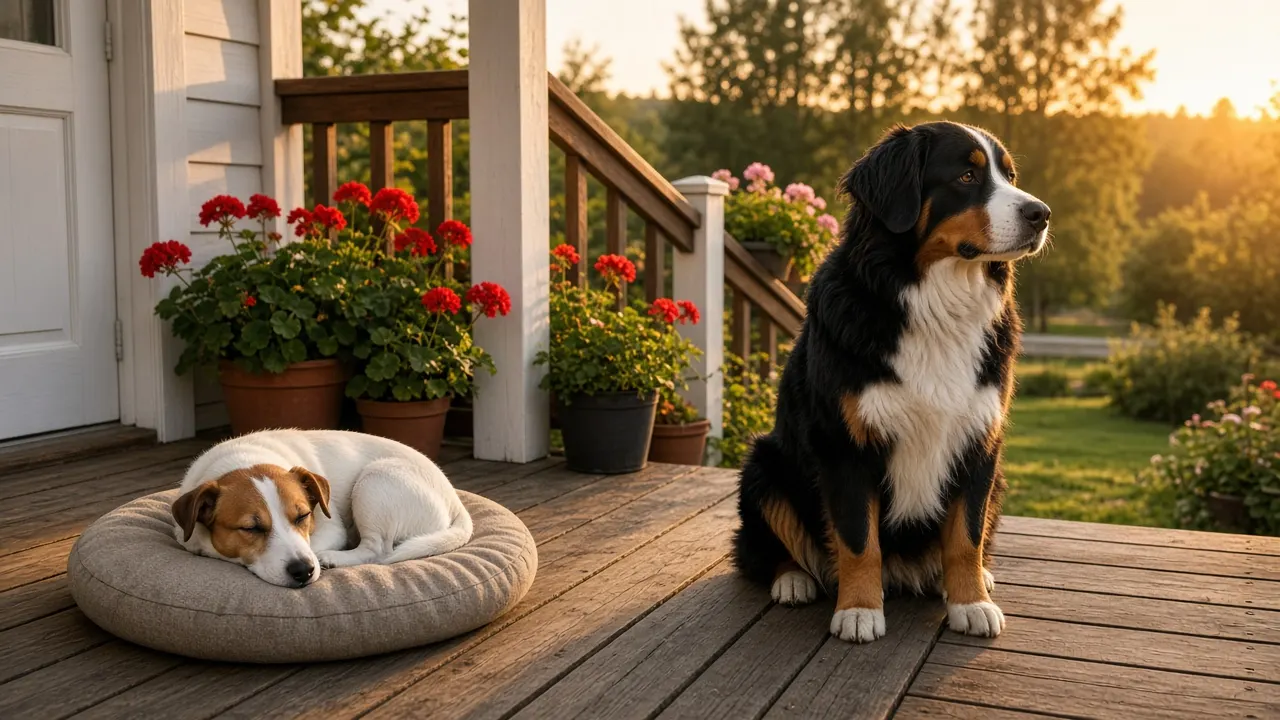
Both can last decades with good care, but they age differently. A freeze-dried pet can draw moisture back from humid air, so it needs a dry room, and ears and whiskers can be brittle. A taxidermy mount is built on a solid form with a tanned skin, so it's more stable and handles a normal household better. The Canadian Conservation Institute's guide to relative humidity explains why damp is so hard on dried natural materials.
Both need protection from sunlight and insects; carpet beetles are among the most common culprits in ordinary homes. A case helps either one. Our guide to displaying and caring for preserved pieces goes through the care routine for each. Whichever you choose, ask the studio for their own care instructions, since finishing products differ.
Money and months
Which is cheaper and faster?
In the US, prices for a cat or small dog overlap almost entirely, so neither is reliably cheaper. For larger dogs, freeze-drying gets expensive fast because chamber time climbs with weight; by our estimate, one studio's list works out at ~$4,851[6] for a 50 lb dog. In the UK, taxidermy tends to cost more: one studio charges from £2,300[7] for a cat, while a UK guide puts freeze-drying cats and small dogs at £800–£1,500[8].
Time is similar. Freeze-drying is slow because of the chamber; taxidermy is slow because of tanning, drying and hand-sculpting. For the detail, see how much it costs to freeze-dry a pet and how long preservation takes, or run your pet's numbers through the preservation cost estimator below.

Free tool
Freeze-dry & taxidermy cost estimator
Estimate cost and waiting time for freeze-drying or taxidermy by size and pose.
By species
Which method suits which pets?
- Cats and small dogs: either works; choose by pose. Freeze-drying is by far the more common request.
- Large dogs: ask for quotes for both. Freeze-drying is often slower and pricier at this size, and taxidermy gives a lighter, sturdier piece.
- Birds: both are used; mounted birds often perch with wings folded or spread.
- Reptiles: freeze-drying suits scales well and keeps natural shape.
- Rabbits and small mammals: freeze-drying is usually simplest and most affordable.
Some studios offer both methods and will recommend one for your pet. Others specialize. The services page describes each, and our preservation options explainer adds partial pieces and skeletons to the comparison.
A quick way to choose
How do you decide between the two?
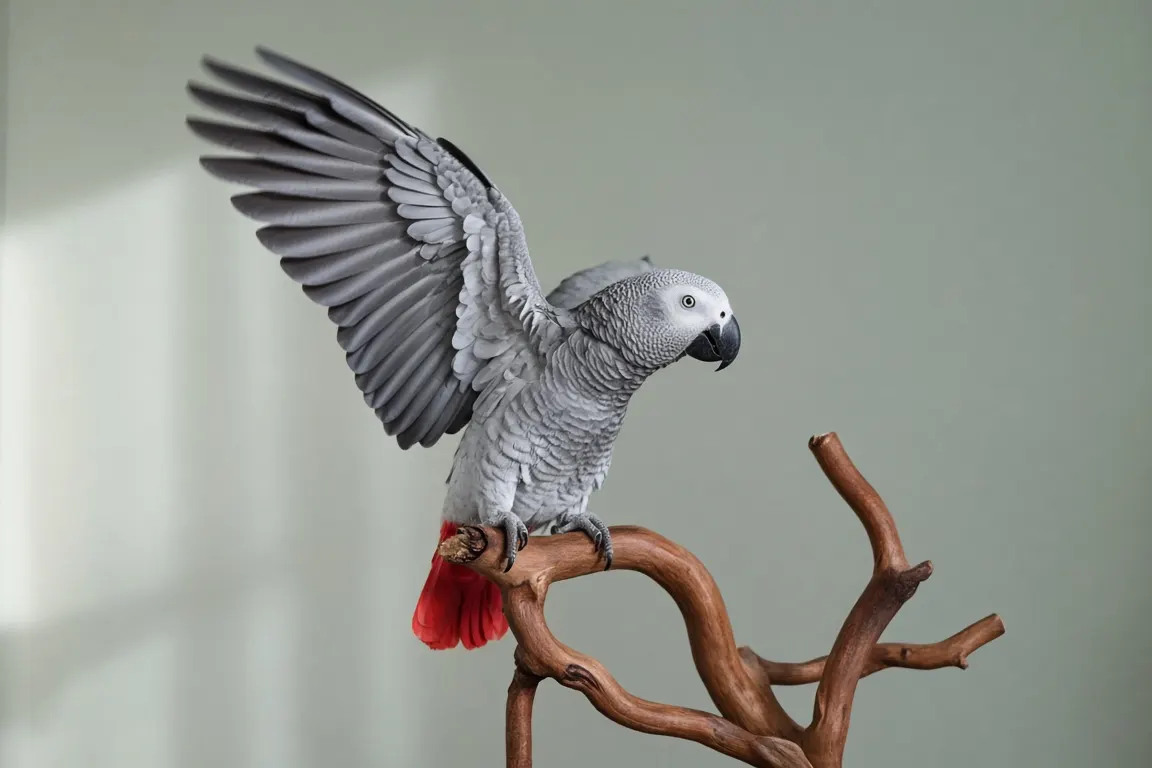
Start with the pose. Close your eyes and picture your pet at home. If they're asleep, curled or stretched out, lean toward freeze-drying. If they're sitting, standing, or looking at you, lean toward taxidermy. Then look at portfolios; a brilliant artist in either method beats an average one in the 'right' method.
It can also help to think about who will live with the piece. A freeze-dried pet in a resting pose tends to feel gentle and private, suited to a bedroom or a quiet corner. A mounted pet sitting up and looking out has more presence in a room, which some families love and others find unsettling. Talk it through with everyone at home, and look at the live poll results to see how other owners picture their pet.
If neither feels right, a single paw or a cast might; the alternatives guide covers those. And if you'd like quotes for both methods, send us your pet's details. Our locations pages explain how to reach studios that offer each method.

Reader polls
What would you choose?
Vote anonymously and see how other readers answered. The results are live counts from people who visit this site, so they show real opinions, not a scientific sample.
If you were preserving your pet, which route would you lean toward?
Tap an answer to vote and see how others answered. Anonymous.
Which pose feels most like your pet?
Tap an answer to vote and see how others answered. Anonymous.
Which memorial feels most like your pet?
Tap an answer to vote and see how others answered. Anonymous.


Questions people ask
Is freeze-drying or taxidermy better for a dog?
It depends on the pose and size. For small dogs in a resting pose, freeze-drying is the more common and often more natural-looking choice. For an alert or sitting pose, or a large dog, taxidermy is worth pricing too, since it's sturdier and can cost less than freeze-drying a big body. Compare portfolios of dogs like yours.
Does freeze-drying keep my pet's real eyes?
Usually not for open-eyed poses. Natural eyes shrink and cloud as they dry, so most practitioners replace them with glass eyes or pose the pet with eyes closed. Taxidermy always uses glass eyes. Closed-eye sleeping poses avoid the issue entirely.
Which method is more popular for pets?
Freeze-drying, by a wide margin. One market report puts it at about 62% of the pet preservation market[5]. It leads largely because it keeps the whole body and suits the peaceful sleeping poses most owners want. Taxidermy remains popular for alert poses and among owners with ties to traditional mounting.
Can a taxidermist also freeze-dry?
Many do both, since a freeze-dry chamber has become a common addition to taxidermy studios. Ask which method they'd recommend for your pet and why, and ask to see finished examples of both. Someone skilled in both can give you a balanced answer.
Is one method more humane or respectful than the other?
Both are done after your pet has died and both treat the body with care in the hands of a good practitioner. The difference is technical, not ethical. Choose based on the result you want and the person you trust, not on a sense that one method is kinder.
Can freeze-drying and taxidermy be combined on one pet?
Sometimes. A few practitioners freeze-dry the body but use taxidermy techniques for the face, such as sculpted eyelids and glass eyes, to get a more alert expression. Others preserve a paw by one method and the rest by cremation. Ask what a studio can offer, and ask to see examples of any combined work.


Sources and our estimates
- [1] Memorials.com puts freeze-drying at $1,000–$2,500 for a cat or small dog and $2,000–$5,000+ for a medium to large dog. Memorials.com – Pet Taxidermy Guide, 2025.
- [2] Memorials.com puts traditional taxidermy at $800–$2,500 for a cat or small dog and $1,500–$5,000+ for a medium to large dog. Memorials.com – Pet Taxidermy Guide, 2025.
- [3] Freeze-dry preservation takes 3–6 months for small pets, 7+ months for large dogs and up to a year for very large animals. Astute Analytica via GlobeNewswire — Global Pet Preservation Services Market to Hit USD 112.7 Million by 2032 (Apr 2, 2024), 2024.
- [4] Both traditional taxidermy and freeze-drying typically take 6–12 months, sometimes longer. Memorials.com – Pet Taxidermy Guide, 2025.
- [5] Freeze-drying accounted for 62.3% of the pet preservation services market. Astute Analytica via GlobeNewswire — Global Pet Preservation Services Market to Hit USD 112.7 Million by 2032 (Apr 2, 2024), 2023.
- [6] On a per-pound-above-threshold reading of its price list, one Ohio studio would charge about $4,851 to freeze-dry a 50 lb dog. Our estimate: $2,781 + $69 × (50 − 20) lb. How we calculate.
- [7] Taxidermy UK charges from £2,300 to preserve a standard domestic cat, excluding cremation fees. Taxidermy UK – Pets policy, 2026.
- [8] A freeze-drying guide puts UK costs at £300–£500 for hamsters or birds, £800–£1,500 for cats and small dogs, and £3,000+ for large dogs. AK Mountain Dog – Freeze Dried Pets Cost Breakdown, 2025.
Compare freeze-dry and taxidermy quotes
Tell us what you need and where you are. We'll reply by email with clear options and prices so you can decide in your own time.