Pet preservation options explained: how each method changes the finished look
There are four main ways to preserve a pet: freeze-drying the whole body, traditional taxidermy on a sculpted form, preserving a single part, or cleaning and articulating the skeleton. Freeze-drying is now the most common, at 62.3%[1] of the market by one industry estimate, but each one gives a different result in the hand, on the shelf and over the years.
By the Pet Taxidermy & Preservation Services editorial team · Updated September 24, 2026 · 4 min read · Sources
- What each method keeps, and what it replaces
- How the face, fur and weight turn out
- Which poses each method can manage
The quick answer
What are the main ways to preserve a pet?
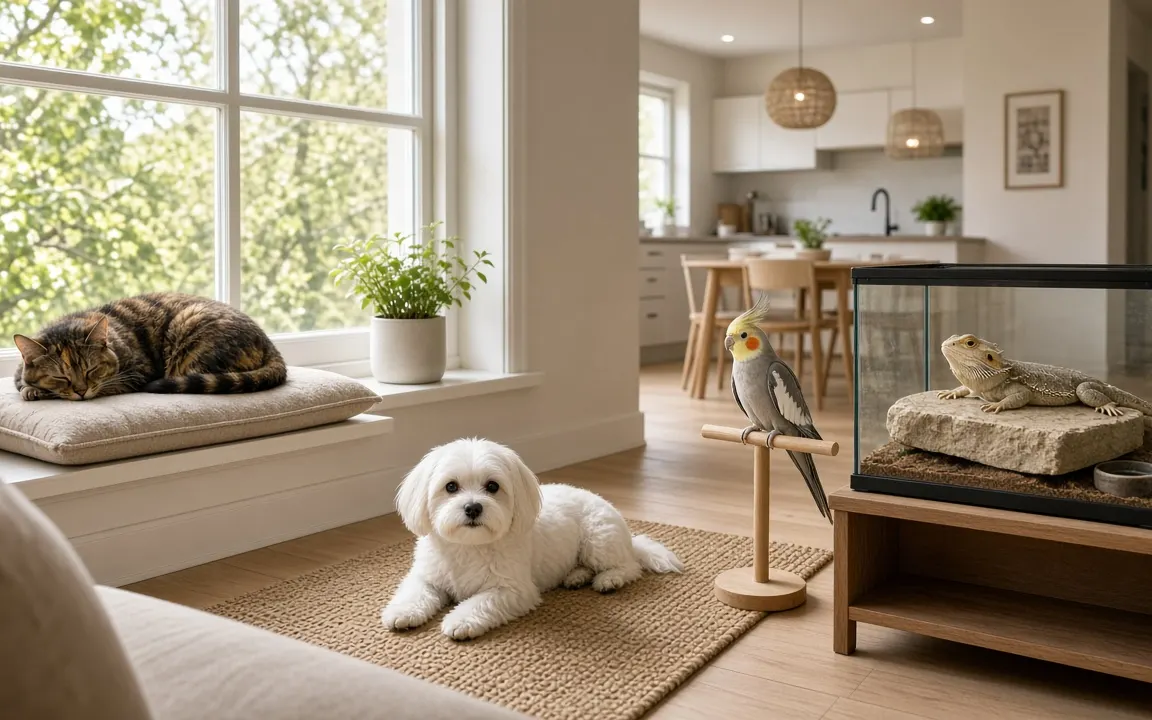
Every method sits somewhere between keeping all of your pet and keeping a small part. Freeze-drying keeps the whole body and removes its water. Traditional taxidermy keeps the skin and rebuilds everything underneath. Partial preservation keeps one piece, like a paw or wing. Skeletal work keeps only the bones. The global preservation trade is small, worth about USD 88.6 million[2] according to one market report, and by our estimate it grows by only ~USD 2.7 million/yr[3], so most of these are done by individual artists rather than companies.
The method you pick decides how your pet will look more than anything else, even more than the artist. So rather than start with price, it's worth starting with the question: what do I want to see and touch in ten years' time?
| Method | What's really there | Feel in the hand | Poses it suits |
|---|---|---|---|
| Freeze-drying | Your pet's own body, dried | Surprisingly light; fur soft on top, body firm | Sleeping, curled, lying with head down |
| Taxidermy | Your pet's tanned skin over a sculpted form | Firm and stable, a little like a sculpture | Sitting, standing, alert, head up |
| Partial | One paw, tail, ear or wing | Small enough to hold in one hand | Displayed on a base or in a frame |
| Skeletal | Cleaned and whitened bones | Hard, light, museum-like | Standing skeleton or a skull alone |
Method one
How does a freeze-dried pet look and feel?
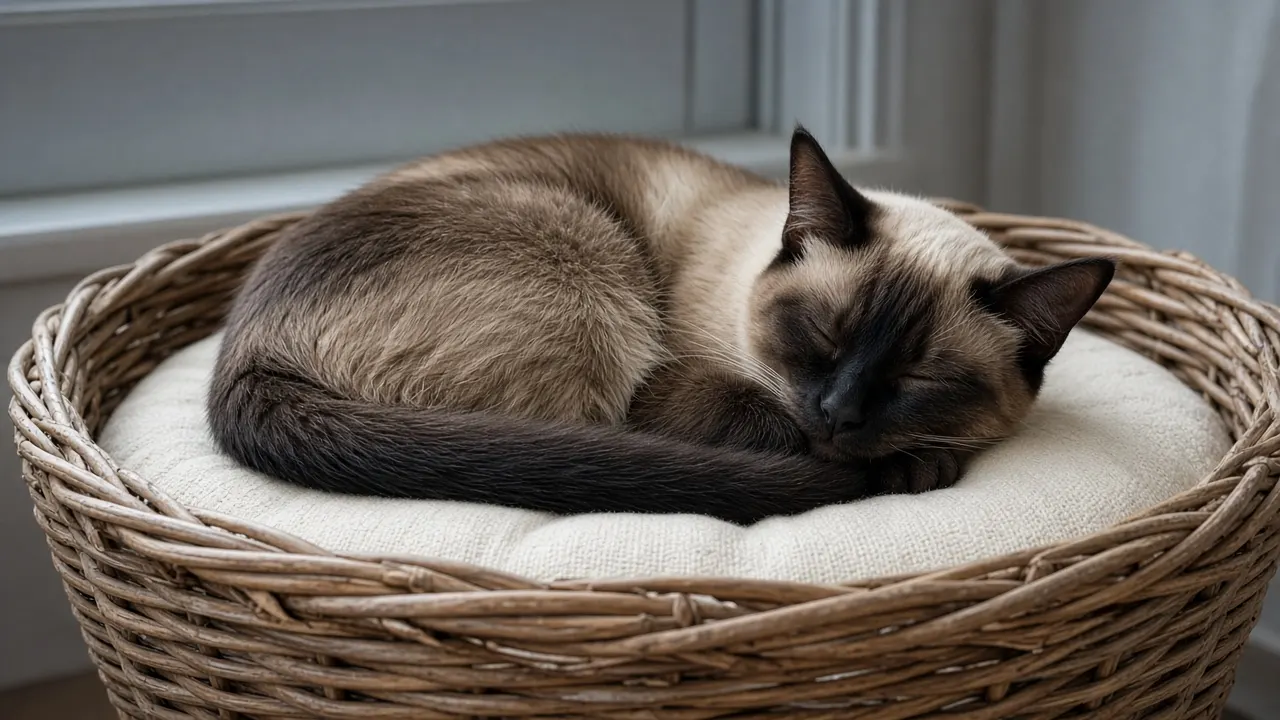
The body shape is completely natural because nothing has been rebuilt, which is the biggest reason people choose it. The coat keeps its color and texture. Where freeze-drying shows its limits is around the face: lips and eyelids tighten slightly as they dry, and a black nose can turn grey or a little shiny once the artist touches it up.
Weight is the other surprise. Once the water has gone, a freeze-dried cat weighs a fraction of what it did, and you'll need to handle it gently. It's also sensitive to damp, so it isn't a piece for the bathroom or a humid summer porch. We cover the detail in what a freeze-dried pet looks like.
Method two
How does traditional taxidermy differ in the finished piece?
Taxidermy keeps the coat but everything inside is made: a form carved or cast to your pet's measurements, sculpted details around the mouth and eyes, and glass eyes. That gives the artist control. They can hold the head up, set the ears forward and pose your dog sitting as if waiting for a treat, which freeze-drying rarely manages.
The trade-off is likeness. Your pet's expression now depends on how well the artist captured a face they never saw alive. With a skilled pet specialist and lots of photos, it can be striking. With a wildlife mounter who mostly does deer, it can look generic. Market researchers put it at only ~7%[4] of owners, so it is the less common choice. Freeze-drying vs taxidermy goes deeper on the choice. See how other readers are leaning in the poll results.
Which pose feels most like your pet?
Tap an answer to vote and see how others answered. Anonymous.
Method three
What does a partial piece look like at home?
Quiet, mostly. A single freeze-dried paw on a small wooden base, a tanned tail curled in a shadow box, or a parrot's wing spread behind glass reads as a keepsake rather than an animal. Visitors often don't realize what it is until you tell them, which suits families where not everyone wants a full pet in view.
Because the rest of your pet can be cremated, many owners end up with both a piece and the ashes. Our guide to casts plus cremation walks through the order to arrange things in. The services overview lists partial and skeletal work alongside whole-body options.
Method four
Why do some owners choose bones instead of fur?
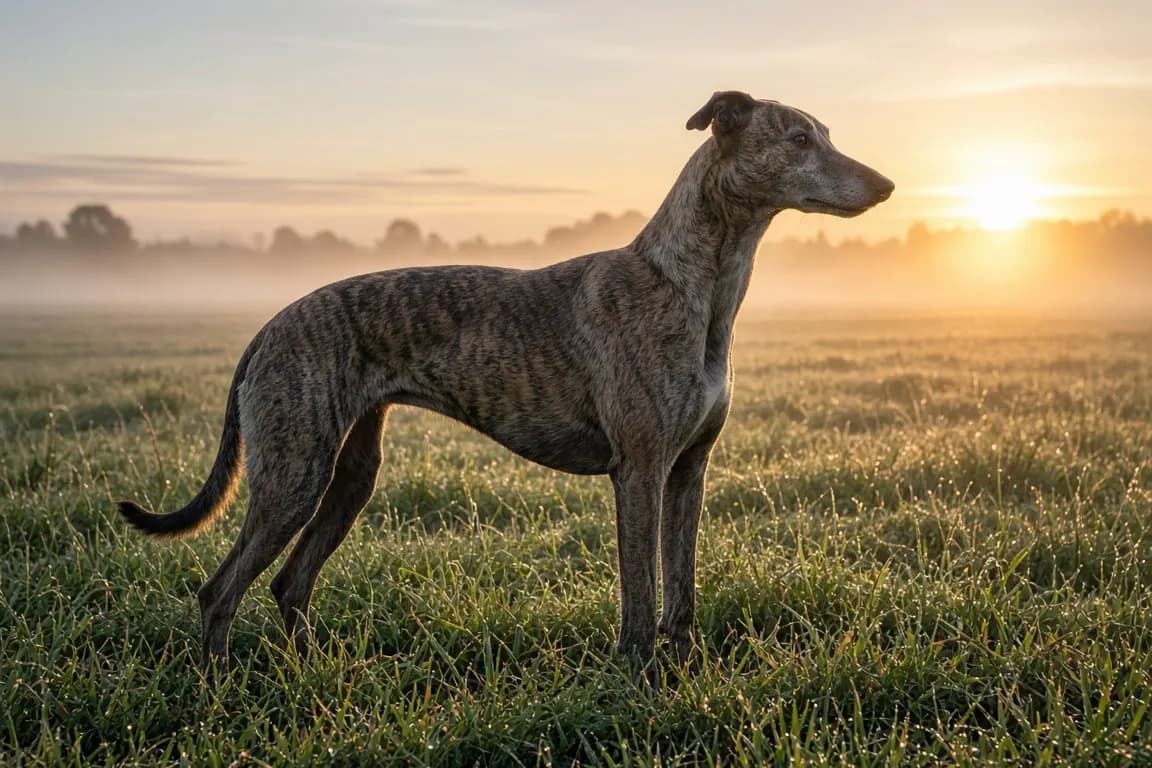
Bones last. A cleaned, whitened skeleton doesn't fade, attract moths or react to humidity, and it shows your pet's structure in a way nothing else does: the long spine of a greyhound, the tiny skull of a rat. Some people find it less emotionally raw than fur, because it doesn't look like their pet's face.
It is specialist work. A UK studio prices articulated pet skeletons at £500–£2,000[5] by breed. In North America it's rarer still, so you may need to ship your pet frozen; the locations page explains how owners handle distance.
Ten years on
Which method holds up best over the years?
Bones are the most forgiving: they don't fade, shed or take on moisture. Taxidermy comes next, because a tanned skin on a solid form is stable in a normal living room. Freeze-dried pets need the most care, since the dried tissue can slowly draw moisture back in a humid house and the coat fades in strong sun. Partial pieces behave like the method used to make them, but their small size makes them easy to keep in a case. The Canadian Conservation Institute's guide to relative humidity explains why damp matters so much for natural materials.
None of this means freeze-drying is fragile in everyday life. It means choosing a spot away from windows, bathrooms and radiators, and checking the fur now and then for clothes moths. Our care and display guide covers each method, and if you're leaning away from whole-body work, the alternatives guide lists gentler routes. Still unsure? Send us your pet's details and we'll ask practitioners which method they'd suggest.
Money
How do the methods compare on price and time?
Whole-body work costs the most. One US price guide puts freeze-drying at $1,000–$2,500[6] for a cat or small dog, and traditional taxidermy at $800–$2,500[7] for the same size. Big dogs cost more for either. Both typically take many months, with freeze-drying at 3–6 months (small pets)[8] and longer for large dogs.
Partial pieces and bone work usually come in lower, but it varies by studio. The preservation cost estimator gives a quick range for your pet's size and pose, and our full breakdown of freeze-drying costs explains what drives the bill.

Free tool
Freeze-dry & taxidermy cost estimator
Estimate cost and waiting time for freeze-drying or taxidermy by size and pose.

Reader polls
What would you choose?
Vote anonymously and see how other readers answered. The results are live counts from people who visit this site, so they show real opinions, not a scientific sample.
If you were preserving your pet, which route would you lean toward?
Tap an answer to vote and see how others answered. Anonymous.
Which pose feels most like your pet?
Tap an answer to vote and see how others answered. Anonymous.
What would matter most to you in a preserved pet?
Tap an answer to vote and see how others answered. Anonymous.


Questions people ask
Which pet preservation method looks the most lifelike?
It depends on the pose. For a pet curled up asleep, freeze-drying usually looks most natural because the body shape is real. For an alert, sitting or standing pose, a skilled taxidermist often gets a livelier result because they sculpt the form underneath. In both cases, the artist's experience with your species matters more than the method.
Can you touch a preserved pet?
Gently, yes. You can stroke the fur of a freeze-dried or taxidermy pet, but it isn't something to hug or pick up often. Oils from hands build up in the coat, and freeze-dried pets in particular are light and can be damaged by knocks. Many owners keep the piece where they can reach it but don't handle it daily.
Do preserved pets smell?
A properly preserved pet shouldn't have an odor once it's finished. Freeze-drying removes the moisture that causes smell, and taxidermy uses a tanned skin. A smell after the piece comes home usually means moisture got in or the work wasn't completed properly, and you should contact the studio.
Is a skeleton or skull cheaper than freeze-drying?
Often, for small and medium pets, though not always. Skeletal work is labor-intensive, especially full articulation, so large dogs can still cost a lot. A skull alone is usually the simplest bone option. Ask for a written quote that includes cleaning, whitening and any display case.
Can birds, reptiles and fish be preserved?
Birds and reptiles, yes, by specialists. Birds are often freeze-dried or mounted perched, and single wings are popular. Reptiles freeze-dry well because of their scales. Fish are usually reproduced as painted replicas rather than preserved, because their skin and color don't survive well. Ask for photos of that species specifically.


Sources and our estimates
- [1] Freeze-drying accounted for 62.3% of the pet preservation services market. Astute Analytica via GlobeNewswire — Global Pet Preservation Services Market to Hit USD 112.7 Million by 2032 (Apr 2, 2024), 2023.
- [2] The global pet preservation services market (freeze-drying and taxidermy) was valued at USD 88.6 million in 2023. Astute Analytica via GlobeNewswire — Global Pet Preservation Services Market to Hit USD 112.7 Million by 2032 (Apr 2, 2024), 2023.
- [3] The pet preservation (freeze-dry/taxidermy) market adds only about USD 2.7 million a year, far slower than pet funeral services. Our estimate: (112.7M - 88.6M) / 9 years. How we calculate.
- [4] About 7% of pet owners choose taxidermy, per Astute Analytica. Astute Analytica via GlobeNewswire — Global Pet Preservation Services Market to Hit USD 112.7 Million by 2032 (Apr 2, 2024), 2024.
- [5] UK studio Skeletons UK articulates pet skeletons from £500 (Chihuahua) to £2,000 (Great Dane); a cat costs £550, or £700 cased. Skeletons UK – Pet memorials, 2026.
- [6] Memorials.com puts freeze-drying at $1,000–$2,500 for a cat or small dog and $2,000–$5,000+ for a medium to large dog. Memorials.com – Pet Taxidermy Guide, 2025.
- [7] Memorials.com puts traditional taxidermy at $800–$2,500 for a cat or small dog and $1,500–$5,000+ for a medium to large dog. Memorials.com – Pet Taxidermy Guide, 2025.
- [8] Freeze-dry preservation takes 3–6 months for small pets, 7+ months for large dogs and up to a year for very large animals. Astute Analytica via GlobeNewswire — Global Pet Preservation Services Market to Hit USD 112.7 Million by 2032 (Apr 2, 2024), 2024.
Find a practitioner for the method you want
Tell us what you need and where you are. We'll reply by email with clear options and prices so you can decide in your own time.