What does a freeze-dried pet look like? An honest, detail-by-detail answer
A freeze-dried pet looks like your pet deeply asleep: the fur, markings and body shape are their own, but the face changes a little, with tighter lips and eyelids, a nose that's often repainted and glass eyes if the eyes are open. They feel firm and surprisingly light, and they don't smell.
By the Pet Taxidermy & Preservation Services editorial team · Updated September 24, 2026 · 4 min read · Sources
- What stays the same and what changes
- How they feel, weigh and smell
- How to get the most natural result
The overall impression
Will a freeze-dried pet look alive?
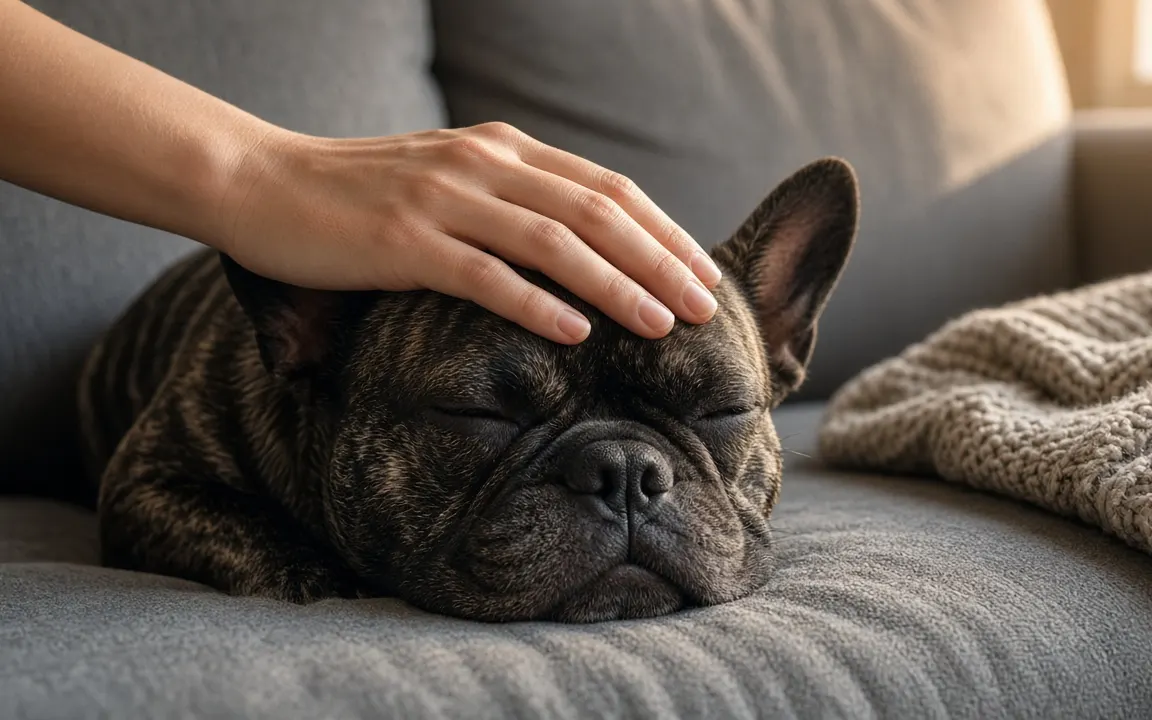
No, and a good studio won't promise that. What most owners describe is a pet who looks peaceful and unmistakably theirs, like they've fallen asleep in a favorite spot and won't wake. The closer the pose is to how your pet really slept, the more natural it looks. That's one reason freeze-drying, now 62.3%[1] of the preservation market by one industry estimate, is so often used for curled-up and lying poses.
The first moment can still be a shock, even when you know what to expect. It helps to see photos from the studio before your pet comes home. Our guide to grief while preservation takes months has suggestions for making the homecoming day gentler.
It also helps to know that the look can soften over the first weeks at home. Many owners say the initial strangeness fades as the piece settles into its spot and becomes part of the room. What stays is the familiar shape and the coat you knew, which is usually why people chose preservation in the first place.
What comes through well
What stays the same after freeze-drying?
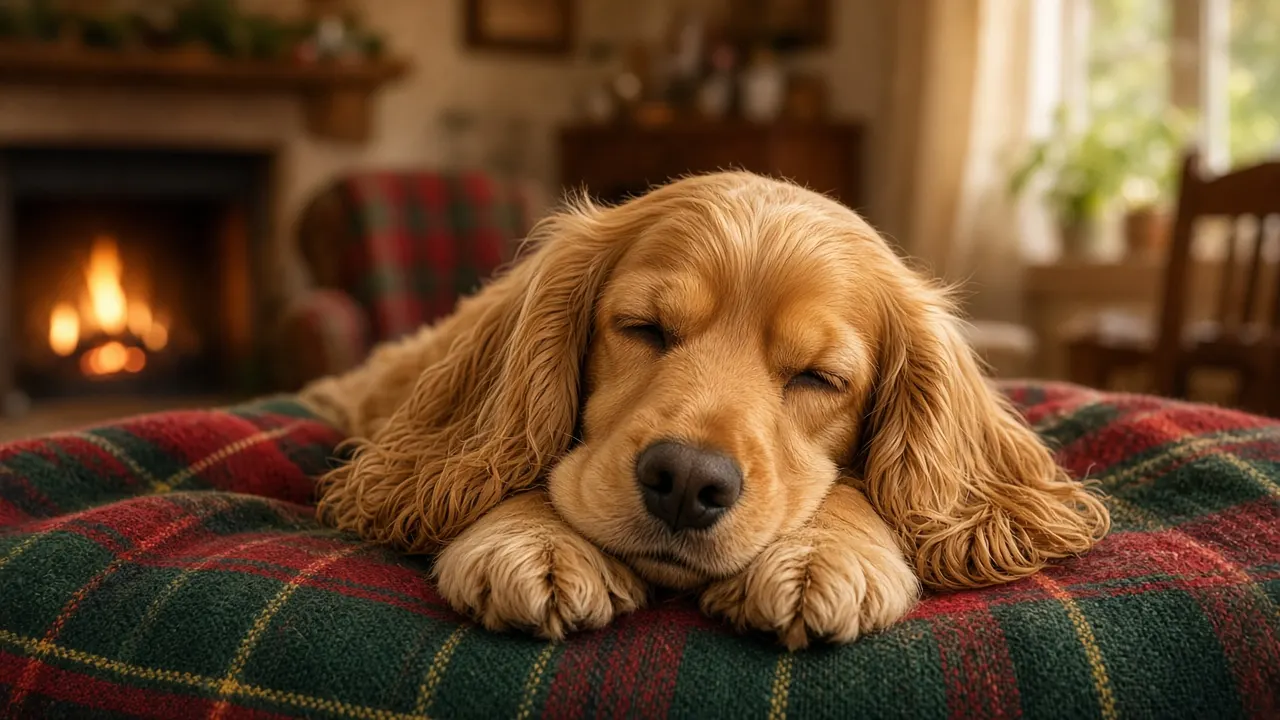
- Fur color and markings. Every patch, stripe and grey hair is your pet's own. Keep them out of strong sun, since light slowly fades natural pigments, as the Canadian Conservation Institute explains.
- Coat texture. Stroking the fur feels much as it did, though it may be fluffier after the studio's grooming.
- Body shape and proportions. Nothing is rebuilt, so the length of the back and the set of the legs are true to life.
- Paws and claws. Toe shapes and claws stay as they were; pads may be touched up with paint.
This is what sets freeze-drying apart from taxidermy, where the body under the skin is sculpted. If body shape matters to you most, freeze-drying is often the more faithful choice. Our freeze-drying vs taxidermy comparison explains the trade-offs. The services overview covers both crafts.
What changes
Which features change, and why?
Thin, moist areas change most as they dry. Knowing this in advance stops small differences from feeling like mistakes.
| Feature | What usually happens | What studios do about it |
|---|---|---|
| Eyes | Natural eyes shrink and cloud | Close them, or fit glass eyes |
| Nose | Darkens, lightens or loses its shine | Repaint or seal to match photos |
| Lips and eyelids | Tighten slightly | Careful posing and shaping before drying |
| Ears | Can thin and turn slightly translucent | Support with wire or card; shape in the pose |
| Paw pads | Darken or dry out | Touch up with paint |
| Tongue | Shrinks and darkens | Tucked in, or replaced if showing |
Color work is often a separate line on the bill. A UK freeze-drying guide puts painting and airbrushing touch-ups at about £200–£500[2], and a US price guide says custom bases and positioning typically add $150–$800[3]. Ask what's included; the questions for a pet taxidermist article covers how. See what other owners expected in the poll results.
What would matter most to you in a preserved pet?
Tap an answer to vote and see how others answered. Anonymous.
In your hands
How does a freeze-dried pet feel, weigh and smell?
Weight: far lighter than your pet was, because most of a body's weight is water and it's gone. Some owners find this the hardest thing, since it doesn't feel like lifting your cat or dog. Touch: the fur is soft, but the body beneath is firm and doesn't give. Smell: a finished piece shouldn't smell of anything; a musty or sour odor means moisture has got in. Keep the room dry; the EPA's brief guide to mold and moisture explains why indoor humidity matters and how to keep it down.
Because they're light and a little brittle at the ears and whiskers, freeze-dried pets are safest kept somewhere protected rather than handled often. Our care and display guide explains where to put them and how to dust them.
By species
Do cats, dogs, birds and reptiles look different when freeze-dried?
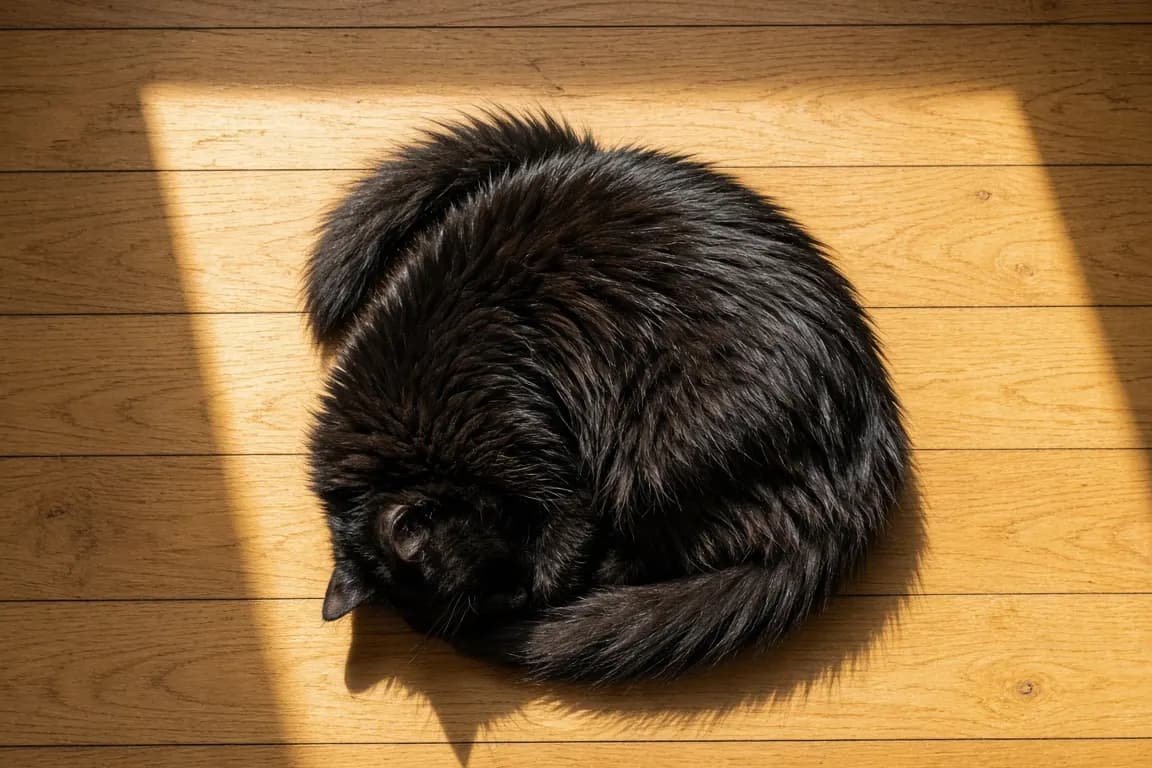
Cats usually preserve beautifully in a curl, since they sleep that way anyway. Dogs vary with coat and size; long, thick coats hide small changes, while short-coated breeds show every contour of the face. Birds keep their plumage well, and a perched pose with wings folded is common. Reptiles hold their shape very well, though skin colors can fade and may be touched up. Rabbits and rodents look natural in a loaf or curled pose.
Age shows too, and most owners are glad of it. A grey muzzle, a thinner coat or a slightly bony frame will all come through, because nothing is smoothed over. If you'd rather your pet looked as they did in their prime, say so early; a practitioner can sometimes groom and pose to soften those signs, but can't reverse them.
Getting it right
How can you get the most natural-looking result?
- Freeze your pet quickly and well, so there's no fur slip or damage to work around. See how to freeze a pet for taxidermy.
- Choose a pose your pet actually used, ideally a sleeping one.
- Send plenty of photos: face from the front and side, ears at rest, the sleeping position you want.
- Pick a practitioner with pets like yours in their portfolio.
- Ask for a photo check before the chamber cycle begins.
A good result is an investment; one industry report says freeze-drying costs USD 1,000–2,000[4] for most pets and takes 3–6 months (small pets)[5]. By our estimate, that is ~6x[6] the price of an average pet cremation. Check your likely cost with the preservation cost estimator, or ask us for practitioners whose work you can look at first. Our locations pages explain how to reach studios whose finished pets you can see in person.

Free tool
Freeze-dry & taxidermy cost estimator
Estimate cost and waiting time for freeze-drying or taxidermy by size and pose.

Reader polls
What would you choose?
Vote anonymously and see how other readers answered. The results are live counts from people who visit this site, so they show real opinions, not a scientific sample.
What would matter most to you in a preserved pet?
Tap an answer to vote and see how others answered. Anonymous.
Which pose feels most like your pet?
Tap an answer to vote and see how others answered. Anonymous.
Which memorial feels most like your pet?
Tap an answer to vote and see how others answered. Anonymous.


Questions people ask
Do freeze-dried pets have their real eyes?
Usually not if the eyes are open. Natural eyes shrink and cloud as they dry, so studios either pose pets with eyes closed or replace them with glass eyes chosen to match your photos. Closed-eye sleeping poses tend to look the most natural and avoid the question altogether.
Does a freeze-dried pet feel soft?
The fur does, but the body underneath is firm, a bit like a stiff cushion. It won't bend or feel warm. Many owners enjoy stroking the coat gently, but it isn't something to cuddle, and handling it a lot can loosen fur over time.
How much lighter is a freeze-dried pet?
Much lighter, since most of the body's weight is water that the chamber removes. A cat that weighed ten pounds will feel very light in your hands afterward. It's worth being prepared for this, because the weight difference surprises many owners.
Will my freeze-dried pet's fur fall out?
Not if your pet was frozen promptly and the work was done well. Fur loss comes from decay before freezing, damp after preservation, or insect damage. Keep the piece dry and check it occasionally for moths. Gentle dusting won't harm it, but rough brushing can.
Can I see examples before I decide?
Yes, and you should. Ask practitioners for unedited daylight photos of finished pets of your species, ideally including some that are a few years old. Photos taken by owners at home are often more realistic than studio showcase shots.
Can the studio change something I don't like once it's finished?
Small things, often yes: an ear angle, the color of the nose, the shade of a glass eye. Changes to the body pose are much harder once drying is complete. That's why a photo check before the chamber cycle is so valuable. Ask the studio what they can adjust after finishing, and whether it costs extra.


Sources and our estimates
- [1] Freeze-drying accounted for 62.3% of the pet preservation services market. Astute Analytica via GlobeNewswire — Global Pet Preservation Services Market to Hit USD 112.7 Million by 2032 (Apr 2, 2024), 2023.
- [2] Painting and airbrushing touch-ups on a freeze-dried pet can add £200–£500. AK Mountain Dog – Freeze Dried Pets Cost Breakdown, 2025.
- [3] Taxidermy and freeze-drying add-ons such as custom bases or positioning cost about $150–$800. Memorials.com – Pet Taxidermy Guide, 2025.
- [4] Freeze-drying a pet typically costs USD 1,000–2,000. Astute Analytica via GlobeNewswire — Global Pet Preservation Services Market to Hit USD 112.7 Million by 2032 (Apr 2, 2024), 2024.
- [5] Freeze-dry preservation takes 3–6 months for small pets, 7+ months for large dogs and up to a year for very large animals. Astute Analytica via GlobeNewswire — Global Pet Preservation Services Market to Hit USD 112.7 Million by 2032 (Apr 2, 2024), 2024.
- [6] Freeze-drying a pet costs about 6 times as much as an average cremation. Our estimate: USD 1,500 (midpoint of USD 1,000–2,000) / USD 250. How we calculate.
See practitioners' work for pets like yours
Tell us what you need and where you are. We'll reply by email with clear options and prices so you can decide in your own time.