Grieving while your pet is away being preserved
Preservation usually takes 6–12 months[1], and that long gap between the goodbye and the homecoming can make grief feel paused or oddly stretched. It helps to plan for the wait itself: agree on updates, give yourself something to do with the missing space, and prepare for the day your pet returns.
By the Pet Taxidermy & Preservation Services editorial team · Updated September 24, 2026 · 4 min read · Sources
- Why the months in between feel so strange
- What updates to ask the studio for
- How to prepare for the homecoming day
The answer first
Why does grief feel so odd while preservation is underway?
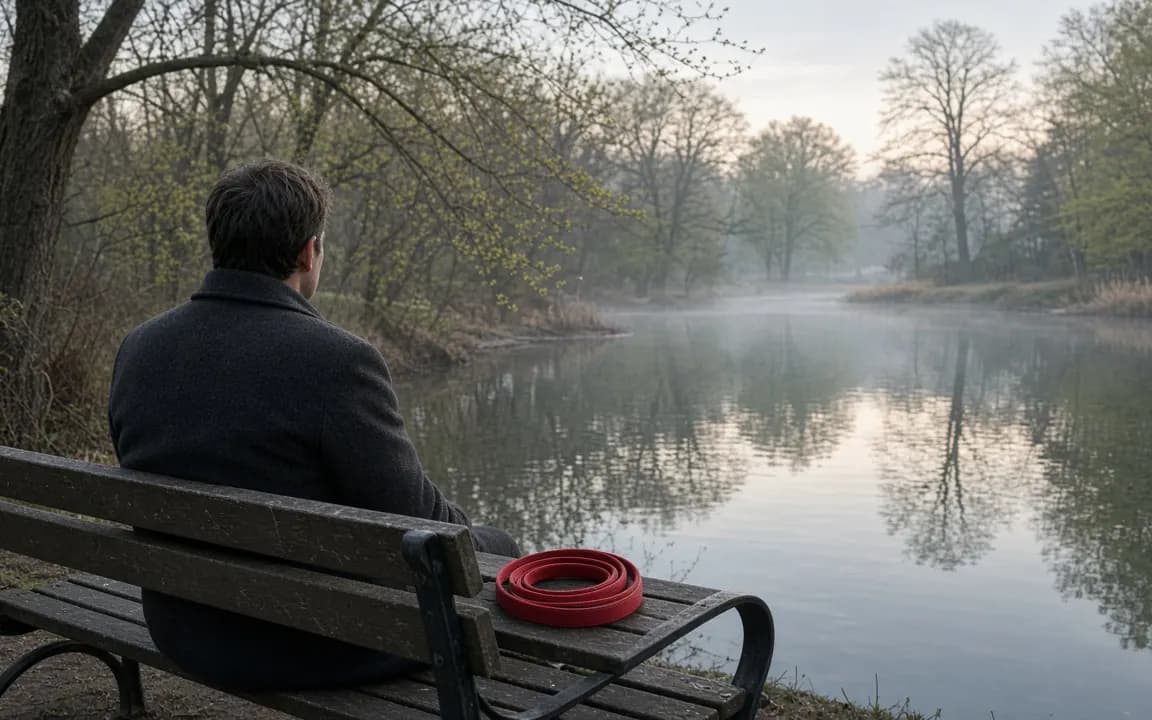
Because the usual shape of loss is interrupted. With burial or cremation, there's a goodbye and then something comes home within days. With preservation, your pet leaves, and you know they're somewhere in a studio queue or a vacuum chamber for months. Many people describe it as grief with a pause button that they didn't press.
Some owners feel they can't fully grieve until their pet returns. Others grieve hard at first, begin to settle, and then feel it all come back on the homecoming day. Both are normal. In the RSPCA's large UK survey, 66.9%[2] of bereaved owners said the intensity of their grief surprised them, and preservation adds its own twist to that.
3–6 months (small pets)[3]
Freeze-dry preservation takes 3–6 months for small pets, 7+ months for large dogs and up to a year for very large animals.
6–12 months[1]
Both traditional taxidermy and freeze-drying typically take 6–12 months, sometimes longer.
66.9%[2]
66.9% of respondents were surprised by how intense their grief was after losing a pet.
Knowing what you're waiting for
How long will you actually be waiting?
Longer than most people expect. A small pet in a US freeze-dry studio is usually a few months; a large dog can take most of a year, because the chamber has to draw moisture out slowly from the inside. Studio queues add time on top of the chamber cycle. Some studios are quicker: a Queensland studio quotes 8–12 weeks[4] for a small cat or dog.
Rush service exists, but it's expensive. One US studio charges 50% more to cut its wait to 6–8 weeks[5]. If the waiting is the part that worries you most, ask for a date range in writing before you commit, and read our full breakdown of how long pet preservation takes. The services overview explains why each method takes the time it does.
How do you feel about waiting months for a preserved pet to come home?
Tap an answer to vote and see how others answered. Anonymous.
Staying in touch with the studio
What updates should you ask for?
Decide how much you want to hear before the work starts. Some owners want a photo when the pose is set and a note when their pet goes into the chamber. Others would rather hear nothing until the piece is ready. Neither is wrong, but a studio can only respect your preference if you tell them.
- A confirmation of arrival within a day or two, stating your pet arrived frozen.
- A pose check, if you want one, before the chamber cycle begins. This is the last point where changes are easy.
- A mid-point note if the estimated date moves, with the reason.
- Photos before shipping or pickup, so the first time you see your pet isn't a surprise when you open a box.
Agree who at the studio you contact, and how. Small studios are often one or two people, so a text every week can feel like pressure on them and on you. Our questions for a pet taxidermist include how to ask about communication without sounding demanding.
Filling the space
What helps during the months in between?
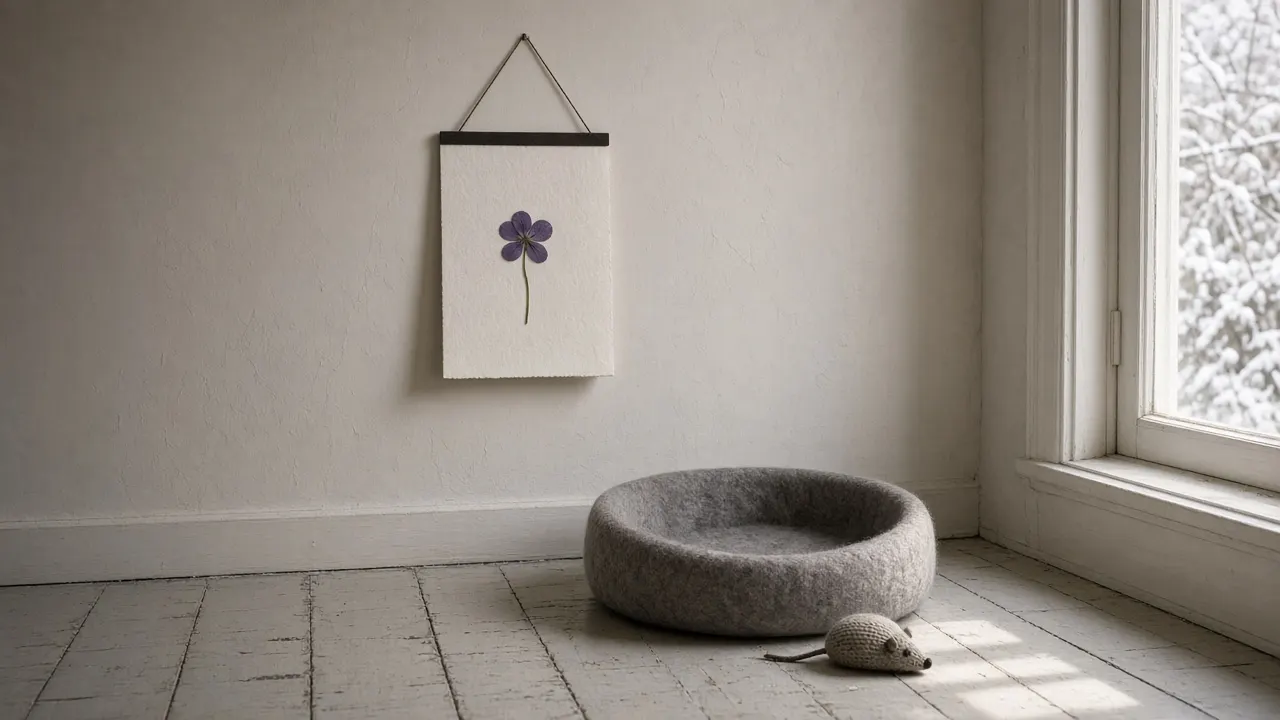
The empty bed, the bowl, the spot on the sofa: these are all still there while your pet is away. Some families put everything away. Others leave the bed where it was until the homecoming. There's no rule, but it helps to decide on purpose rather than avoiding the room.
- Gather the photos you sent the studio into a small album or a phone folder you can look at when you want to.
- Write down stories about your pet while they're fresh. Owners are often surprised how quickly small habits fade.
- Choose where the piece will live when it returns, and get a case or shelf ready. It gives the waiting a purpose.
- If you have other pets, keep their routine steady; they may be searching too.
- Talk to someone who won't brush it off. 34.5%[6] of bereaved owners in one survey had been told it was 'just a pet'.
If the stretch feels unbearable, that's a sign to talk to someone, not a sign you chose wrong. Pet-loss support lines and counselors see preservation clients too. By our estimate, roughly 850,000 bereaved US pet households a year may not find the support they need[7], so reach out early: the Tufts Pet Loss Support Helpline and Cornell's Pet Loss Support Hotline are free to call. Our polls page and the live poll results also show how other readers have felt about the wait, which some find reassuring.
The day they come back
How should you prepare for the homecoming?
Treat it as a day of its own, not an errand. Pick a time when you're not rushed and ideally not alone. If your pet is being shipped, open the box somewhere calm, not on a doorstep. Look at the photos from the studio first so the moment isn't a shock. If the studio is far away, our locations pages explain shipping and pickup options.
Expect a wave of feeling. Some people cry harder than they did at the goodbye; others feel a quiet relief. Your pet will look like your pet at rest, not alive, and that difference can hit on the day even if you knew it in advance. Our article on what a freeze-dried pet looks like prepares you for the details.
The homecoming isn't the end of grief. For many people it's the point where grief finally has somewhere to settle.
If it isn't what you hoped
What if the finished piece brings up the wrong feelings?
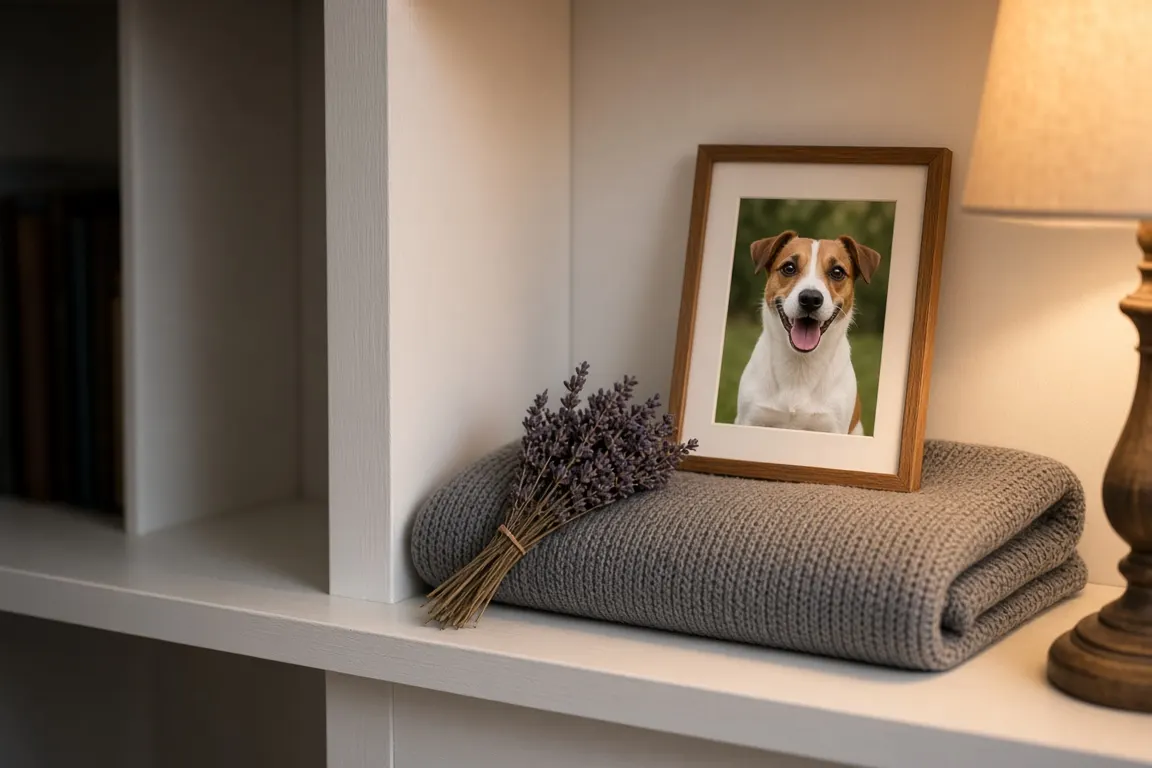
It happens. Sometimes the face isn't quite right; sometimes the piece is lovely but you find you'd rather not see it every day. Tell the studio promptly and specifically if something is fixable, like an ear angle or eye color. Some will touch up work within an agreed window.
If it's the feeling rather than the craft, give it a few weeks. Put the piece in a quieter room or a covered case and see how you feel. Owners who planned for this in advance, through the suitability check and honest conversations with the studio, tend to find it easier. If you're still deciding, the memorial budget planner helps you weigh preservation against smaller keepsakes before you commit.

Free tool
Memorial budget planner
Add up cremation, urn, keepsakes and a farewell so the total holds no surprises.

Reader polls
What would you choose?
Vote anonymously and see how other readers answered. The results are live counts from people who visit this site, so they show real opinions, not a scientific sample.
How do you feel about waiting months for a preserved pet to come home?
Tap an answer to vote and see how others answered. Anonymous.
What was the hardest part of losing your pet?
Tap an answer to vote and see how others answered. Anonymous.
What helped you most in the first weeks?
Tap an answer to vote and see how others answered. Anonymous.


Questions people ask
Is it normal to feel I can't grieve until my pet comes back?
Yes. Many owners describe grief as 'on hold' while their pet is at the studio, because there's no finished goodbye yet. That's a common reaction to a long, open-ended wait. It can help to hold a small private farewell at the start, like a walk or a candle, so the homecoming isn't carrying the whole weight.
Can I visit my pet at the studio during preservation?
Some studios allow a visit before the pose is finalized, but most prefer not to have visitors during the chamber phase, when the pet can't be touched or moved. Ask at the start what they allow. A photo update is often a gentler way to check in than seeing your pet partway through the process.
Should I get a new pet while I'm waiting?
Only if it feels right for you, not to fill the gap on a schedule. Some families find a new animal brings life back into the house; others feel it's disloyal until the preserved pet is home. If you do, think about where the preserved piece will sit, since some pets are curious about new objects that smell familiar.
What if the studio misses its estimated date?
Delays are common because drying times depend on each animal. Ask for the reason and a new range, in writing. A short delay with a clear explanation is normal. Repeated silence or dates that keep moving without explanation are a reason to ask firmer questions about your pet's status.
How do I explain the wait to my children?
Keep it simple and honest: their pet is with a specialist who is carefully making them into a keepsake, and it takes a long time. Avoid saying the pet is 'coming back', which can confuse younger children. Let them help choose the spot where the keepsake will live, so they have a role while they wait.


Sources and our estimates
- [1] Both traditional taxidermy and freeze-drying typically take 6–12 months, sometimes longer. Memorials.com – Pet Taxidermy Guide, 2025.
- [2] 66.9% of respondents were surprised by how intense their grief was after losing a pet. RSPCA — Pet Loss Survey Results, 2026.
- [3] Freeze-dry preservation takes 3–6 months for small pets, 7+ months for large dogs and up to a year for very large animals. Astute Analytica via GlobeNewswire — Global Pet Preservation Services Market to Hit USD 112.7 Million by 2032 (Apr 2, 2024), 2024.
- [4] A Queensland freeze-dry pet preservation studio says a small cat or dog takes 8–12 weeks and a very large dog up to 4–5 months. Down Under Taxidermy – Freeze-dry pet preservation, 2026.
- [5] Paying 50% extra for VIP service cuts freeze-dry turnaround to 6–8 weeks at Animal Family Pet Preservation. Animal Family Pet Preservation – Pricing, 2026.
- [6] 34.5% of bereaved pet owners were told 'it's just a pet'. RSPCA — Pet Loss Survey Results, 2026.
- [7] Roughly 850,000 bereaved U.S. pet households a year may not find the grief support they need. Our estimate: 1.5M pet cremations x 56.7% couldn't find support. How we calculate.
Get preservation options with clear timelines
Tell us what you need and where you are. We'll reply by email with clear options and prices so you can decide in your own time.