Pet taxidermy and freeze-dry options for Anderson, Indiana
Roughly 1,700 dogs and cats die in Anderson each year, by our estimate, and most go to cremation by default. If you'd like to preserve yours, tell your vet today and get them into a freezer within hours.
- Real published prices, never guesses
- Care tips for a preserved pet at home
- Gentler options if full preservation isn't right

Anderson, Indiana
Getting your pet frozen and to a specialist from Anderson
For a pet who shakes at the sight of the clinic door, a vet who travels to your Anderson home can make the last hour peaceful. You choose the room, the blanket and who is present. Collection for cremation can be booked for later in the day, and nobody should hurry you before then; sit with your pet as long as you need.
Some Anderson families mark the loss with a few words and a hymn in the backyard, others with a meal where everyone shares one story about the pet. Children may want to decorate the box the ashes will sit in, or tape a drawing inside the lid. Next spring, planting a shrub where the pet liked to lie gives the loss somewhere to live.
Around Anderson, the nearest vet may also treat farm animals and keep a large freezer at the practice for them. It's worth asking about. Mixed practices sometimes have more cold storage than town clinics, and rural vets tend to be calm and practical about unusual requests. Explain that your pet needs to stay frozen, flat and undisturbed until you've chosen a practitioner.
With roughly 56,153 residents, Anderson is the 17th-largest of the 50 Indiana communities we cover. Some of the providers who serve Anderson are based about 34 miles away in Indianapolis, the nearest larger centre, so collection times reflect that drive.
Our pages for Noblesville (17 miles), Muncie (17 miles) and Fishers (19 miles) describe the same choices from those towns' point of view, and the providers overlap, so a quote from one often covers Anderson as well.
Our estimate
20,500
How many dog- or cat-owning households Anderson has (estimate)
How we calculated this
56,153 ÷ 2.5 = 22,461 households; × 53% (dog) + 39% (cat) = 20,500. Homes are counted once however many pets they keep.
Our estimate
1,700
Estimated dog and cat losses in Anderson each year
How we calculated this
20,500 dog/cat-owning homes ÷ average lifespan (dog: 12.69 yrs + cat: 11.18 yrs) ≈ 1,700 a year. A floor, not a ceiling.
53%[1]
53% of US households own a dog, which is about 71 million households.
12.69 years[2]
US dogs have an average life expectancy at birth of 12.69 years.
39%[3]
39% of US households own a cat, which is about 53 million households.
11.18 years[4]
US cats seen at Banfield hospitals have an average life expectancy at birth of 11.18 years.
We built the this numbers from American Pet Products Association (APPA) 2025 State of the Industry and Montoya et al. 2023, Frontiers in Veterinary Science, and both are worth a look if you want the detail.

Aftercare traditions in Indiana, and choosing to preserve
In Indiana, about 56.5%[5] of people are cremated, with burial still common. That mix shows up in pet aftercare too, and preservation sits alongside both. Some families preserve a paw or tail and bury the rest in the garden; others freeze-dry their whole pet. There's no local custom telling you which is right, which leaves you free to choose.
That Indiana rate is a human one, published by NFDA 2024 Cremation & Burial Report state projections (via Occasional Sage) (2024). We quote it for Anderson only as a pointer to how families here already think about cremation.
How Anderson's climate affects the first hours
Anderson has 5 months with average lows below freezing, which slows things down a little in winter. Cold doesn't replace a freezer, though. A garage or porch warms up during the day and cools again at night, and those freeze-thaw swings damage skin and fur. Use a proper freezer, even in January, and keep your pet in it once they're in.
Winter storms in Anderson can bring ice, fallen lines and days without power. If your pet is waiting in a freezer, keep the lid closed, pile blankets on top and find dry ice or a generator before the second day. A full chest freezer kept shut holds its cold far longer than an upright model, and a garage freezer in January gets some help from the weather.
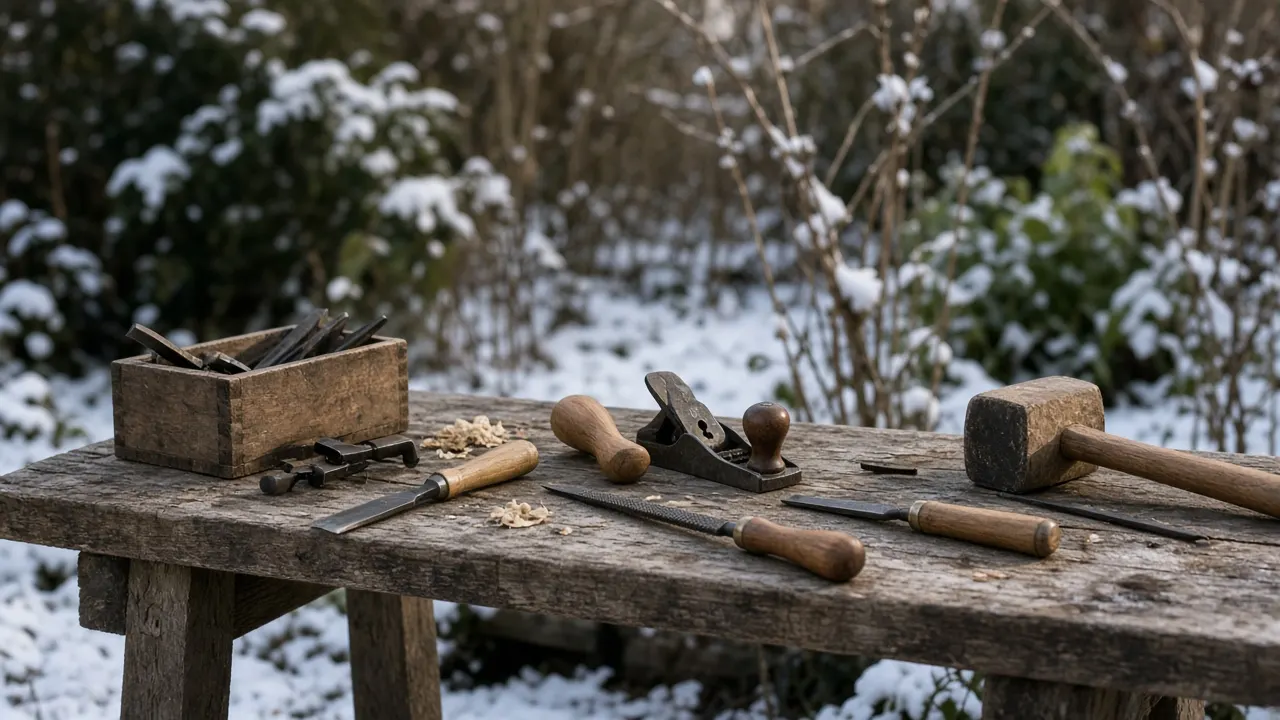
Budgeting for freeze-drying or taxidermy from Anderson
The simplest guide is weight. One published US price list charges USD 650[6] for a pet under a pound, $2,095 plus $49 a pound for pets of 6 to 19 lb, and $2,781 plus $69 a pound above 20 lb[7]. On our reading of that list, a 10 lb cat comes to about USD 2,291–2,585[8]. Other studios charge less, and some more.
The full price table by product is on our Indiana page, and the services page explains what each option includes.

Free tool
Freeze-dry & taxidermy cost estimator
Estimate cost and waiting time for freeze-drying or taxidermy by size and pose.
When the rules in Indiana come into play
Shipping a frozen pet has its own rules. Dry ice is regulated for transport, so carriers ask for the package to be labeled with the amount used, and some services won't accept it at all. Ask your practitioner which carrier they want and follow their packing instructions exactly. For anything you don't preserve, the usual burial and scattering rules in Indiana apply.
To find your county or city office in Indiana, start with the official Indiana local government directory.
Home burial and scattering are governed at the Indiana level first; our Indiana rules summary has the detail. Then check whether Anderson or your HOA adds anything.
What to do now, and what can wait
- If your pet is at a clinic, ask the staff to write on the paperwork that your pet is held for preservation and must not be cremated.
- Ask them to freeze, not refrigerate, and to avoid shaving more fur than they need to.
- Bring your pet home frozen inside a cooler, or set up a pickup from the clinic by the practitioner or a courier.
- Keep your pet frozen solid for at least a day or two before any shipping, as most practitioners ask.
- Pack in a thick cooler with dry ice, add whatever labels your carrier asks for, and ship it overnight early in the week, Monday or Tuesday.
- Keep the tracking number and ask the practitioner to confirm your pet went straight into their freezer.
Keepsakes, displays and gentler options
Grief can be especially heavy for people who live alone and lose the animal who structured their days. Free helplines run by veterinary colleges will listen, and Anderson has many congregations, including those connected with the university, where a pastor may offer care. Writing down one favorite moment each night for a week, or reading them aloud together, can also help loosen the knot.
try the free planning tools, Our services overview lays out every option side by side, or see what other families chose in the poll results, go deeper with the guides or catch up on recent articles. Close to Anderson we also cover South Bend, Evansville, Fort Wayne and Carmel; the full list for Indiana and for the United States is a click away.

Reader polls
What would you choose?
Vote anonymously and see how other readers answered. The results are live counts from people who visit this site, so they show real opinions, not a scientific sample.
Where would a preserved pet live in your home?
Tap an answer to vote and see how others answered. Anonymous.
How do you feel about waiting months for a preserved pet to come home?
Tap an answer to vote and see how others answered. Anonymous.
If you had to decide today, which aftercare would you choose for your pet?
Tap an answer to vote and see how others answered. Anonymous.


Questions people ask
Is Anderson big enough to have several pet aftercare providers?
Probably, on the numbers. By our estimate about 20,500 Anderson households keep a dog or cat and around 1,700 lose one each year, which is enough steady demand to support more than one provider. We derive that from population (about 56,153), household size and national ownership and lifespan figures.
Does the Anderson climate change what I should do first?
Only the timing. In July, with highs near 83°F, cool the body and book collection the same day. In January, February, March, November and December, when lows sit below freezing, a home burial may have to wait for a thaw, so cremation with ashes returned keeps your options open.
Is cremation common in Indiana?
For people, yes: about 56.5%[5] of Indiana deaths end in cremation, according to NFDA 2024 Cremation & Burial Report state projections (via Occasional Sage) (2024). Nobody publishes the same figure for pets, but in our experience pet choices in Anderson follow the human pattern closely, so cremation is the default most families here start from.
Can a provider from a neighbouring town collect from Anderson?
Usually yes. Noblesville is about 17 miles away, Muncie is about 17 miles away and Fishers is about 19 miles away, all inside a normal collection radius. Get the mileage written into the quote so there is no surprise on the day.
Is there a pet taxidermist in Anderson?
Possibly, but pet specialists are rare everywhere, so don't assume the closest taxidermist is the right one. Many mount game animals and see few pets. Most families choose a practitioner by the quality of their finished cats, dogs or birds, then ship their pet frozen overnight or drive it there. Tell us your pet's species and weight, and we'll email back practitioners who take pets from Anderson.
Will my preserved pet look like they did when alive?
They'll look like your pet at rest, not like a living animal. Fur, markings and body shape usually come through well. Faces are harder: noses can darken, lips and eyelids shrink slightly, and open eyes are usually glass. Closed-eye sleeping poses tend to look most natural, and lots of reference photos help the practitioner capture what made your pet recognizable.


Sources and our estimates
- [1] 53% of US households own a dog, which is about 71 million households. American Pet Products Association (APPA) 2025 State of the Industry, 2025.
- [2] US dogs have an average life expectancy at birth of 12.69 years. Montoya et al. 2023, Frontiers in Veterinary Science - Banfield Pet Hospital life expectancy tables (13.3 million dogs, 2.4 million cats, 2013-2019), 2023.
- [3] 39% of US households own a cat, which is about 53 million households. American Pet Products Association (APPA) 2025 State of the Industry, 2025.
- [4] US cats seen at Banfield hospitals have an average life expectancy at birth of 11.18 years. Montoya et al. 2023, Frontiers in Veterinary Science - Banfield Pet Hospital life expectancy tables (13.3 million dogs, 2.4 million cats, 2013-2019), 2023.
- [5] The NFDA projected Indiana's cremation rate at 56.5% for 2024. NFDA 2024 Cremation & Burial Report state projections (via Occasional Sage), 2024.
- [6] One U.S. pet preservation studio charges USD 650 to freeze-dry a pet under 1 lb, with a 4–6 month turnaround. Animal Family Pet — Pet Preservation Pricing & Shipping, 2026.
- [7] An Ohio pet preservation studio prices freeze-drying for pets over 20 lb at $2,781 plus $69 per pound, and 6–19 lb pets at $2,095 plus $49 per pound. Animal Family Pet Preservation – Pricing, 2026.
- [8] Freeze-drying a 10 lb cat at one published price list would cost about USD 2,290–2,590. Our estimate: Low: 2,095 + 49 x (10-6) lb; High: 2,095 + 49 x 10 lb. How we calculate.
- [9] The pet preservation (freeze-dry/taxidermy) market adds only about USD 2.7 million a year, far slower than pet funeral services. Our estimate: (112.7M - 88.6M) / 9 years. How we calculate.
Get pet preservation options in Anderson
Tell us what you need and where you are. We'll reply by email with clear options and prices so you can decide in your own time.